
We make your pets happy
Nutrition & Feeding Guides for Maltese Dogs
Nutrition plays a central role in a Maltese dog’s health, digestion, energy levels, and long-term wellbeing. Because Maltese dogs are small and sensitive, feeding choices must be thoughtful, consistent, and breed-appropriate.
This hub brings together practical nutrition and feeding guidance to help Maltese owners make informed decisions about diet quality, portion sizes, and feeding routines.
Nutrition & Feeding Topics for Maltese Dogs
These guides focus on helping Maltese owners understand how feeding choices affect daily comfort, digestion, and overall health.

Diet Quality & Ingredients
Learn how ingredient quality affects digestion, coat health, and long-term wellbeing in Maltese dogs.

Portion Sizes & Feeding Frequency
Understand how much to feed your Maltese and how often to support healthy weight and steady energy.

Healthy Feeding Routines
Discover how consistent feeding schedules support digestion and daily balance for Maltese dogs.

Common Feeding Mistakes
Learn what to avoid when feeding Maltese dogs and how small mistakes can impact health.
Why Maltese-Specific Nutrition Guidance Matters
Maltese dogs are sensitive, people-focused companions who thrive on routine and a calm environment. Lifestyle choices — from where they sleep to how they travel and exercise — play a major role in reducing stress, supporting confidence, and maintaining long-term wellbeing.

Better Feeding Decisions Start With the Right Knowledge

How Nutrition Fits Into Daily Maltese Care
Feeding routines influence more than mealtimes. Nutrition supports grooming outcomes, energy for exercise, digestive comfort, and emotional balance. When feeding is consistent and appropriate, daily care becomes easier and more predictable.
Understanding nutrition as part of holistic Maltese care allows owners to build routines that support wellbeing at every stage of life.
Explore Other Maltese Care Guide Topics
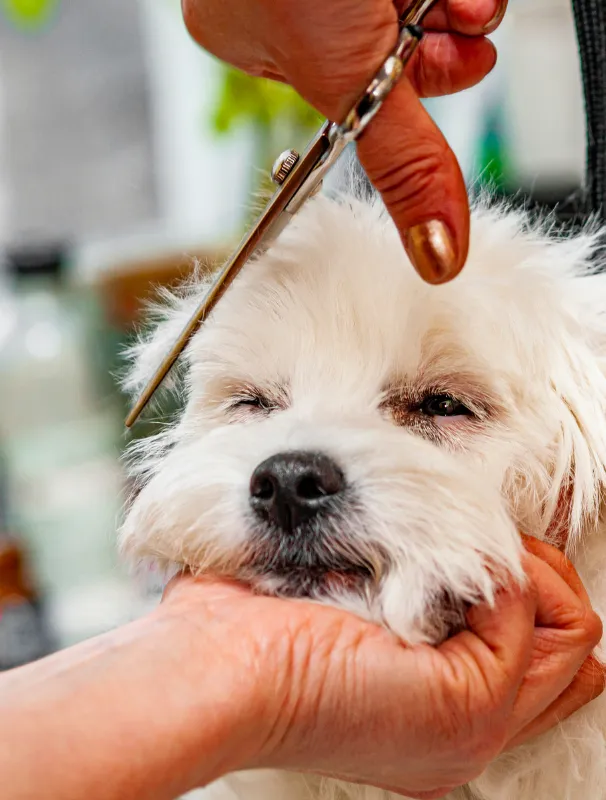
Maltese Care Guides
Essential care guides covering grooming, routines, and daily needs.

Lifestyle & Living Guides
Daily routines, travel, enrichment, and life style with a Maltese dog.

Health & Wellbeing Guides
Supporting long-term health, comfort, and breed-specific wellbeing.

Maltese Puppy Care Guide
Providing long-term health, comfort, and security for puppy growth.

Home & Comfort Guide
Create a calm, comfortable home for sleeping spaces, indoor routines.
Nutrition & Feeding Guides for Maltese Dogs – FAQs
These are common experiences shared by Maltese owners when learning proper grooming routines, switching to gentler products, and following breed-specific care advice.
What is the best type of diet for Maltese dogs?
Maltese dogs typically do best on high-quality, small-breed–appropriate diets made with clearly named protein sources and easily digestible ingredients. Because they are prone to digestive sensitivity and dental issues, food quality matters more than quantity. Diets should support steady energy, healthy digestion, and coat condition rather than rapid weight gain.
How much should I feed my Maltese dog each day?
Daily food intake depends on age, weight, activity level, and the type of food being fed. Maltese dogs generally require smaller, carefully measured portions, as even slight overfeeding can lead to weight gain or digestive discomfort. Portion control is especially important for less active or older Maltese dogs.
How often should Maltese dogs be fed?
Most adult Maltese dogs thrive on two small meals per day, while puppies often need three or more smaller meals. Regular feeding times help stabilise digestion, prevent hunger-related anxiety, and support consistent energy levels throughout the day.
Can poor nutrition affect a Maltese dog’s behaviour or health?
Yes. Inconsistent feeding routines or low-quality ingredients can contribute to digestive upset, low energy, restlessness, skin irritation, and coat issues. Over time, poor nutrition may also affect immune health and overall comfort, especially in a sensitive breed like the Maltese.
Disclosure
These guides are based on common Maltese living experiences and general lifestyle practices. They are intended for informational purposes and should be adapted to suit individual dogs and circumstances.
Dedicated to helping Maltese owners raise happy, healthy companions.
FOLLOW US


Confident Product Choices for Your Maltese
Explore carefully selected essentials designed for comfort, safety, and everyday use.
Disclosure: This website contains affiliate links. As an Amazon Associate, we earn from qualifying purchases. This comes at no extra cost to you.
Copyright 2026. Maltese Dog Care. All Rights Reserved.