
We make your pets happy
Dental & Oral Health Issues in Maltese Dogs
Dental and oral health is one of the most important but often overlooked aspects of Maltese care. Due to their small mouths and closely packed teeth, Maltese dogs are particularly prone to plaque buildup, gum disease, and oral discomfort. This page explains how dental issues develop over time, the early signs to look for, and how consistent care can help prevent long-term complications.
Dental health in Maltese dogs is a progressive condition, meaning issues often begin subtly and worsen over time if not managed early. Because of their anatomy, bacteria and food particles can accumulate easily, making preventative care essential for maintaining long-term oral comfort and overall wellbeing.

HOW DENTAL ISSUES DEVELOP
Dental problems in Maltese dogs usually develop gradually rather than suddenly. The earliest stage often begins with plaque formation, which can harden into tartar if not removed through regular care. Over time, this can lead to gum irritation, inflammation, and more advanced dental disease. Because these changes happen slowly, they are often missed until discomfort becomes more noticeable. Understanding this progression is key to preventing long-term oral health issues.
Dental health in Maltese dogs is a progressive condition, meaning issues often begin subtly and worsen over time if not managed early. Because of their anatomy, bacteria and food particles can accumulate easily, making preventative care essential for maintaining long-term oral comfort and overall wellbeing.
Common Dental & Oral Issues in Maltese Dogs
These oral health concerns are more frequently seen in Maltese dogs due to their breed characteristics. Understanding them supports early recognition and preventative care.

Plaque & Tartar Buildup in Maltese Dog
Plaque is one of the earliest stages of dental disease in Maltese dogs and can quickly harden into tartar without consistent oral care, increasing the risk of further complications.

Gum Disease (Gingivitis & Periodontal Issues)
Bacterial buildup can lead to gum inflammation, causing redness, sensitivity, and discomfort, and may progress into more serious periodontal disease if untreated.

Tooth Loss & Oral Discomfort
Advanced dental disease can weaken tooth structure, leading to pain, difficulty eating, and potential tooth loss if long-term care is neglected.

Preventing Dental Issues Early
Consistent oral hygiene routines and early intervention are essential in reducing the risk of long-term dental complications in Maltese dogs.
Why Maltese Dogs Are Prone to Dental Problems
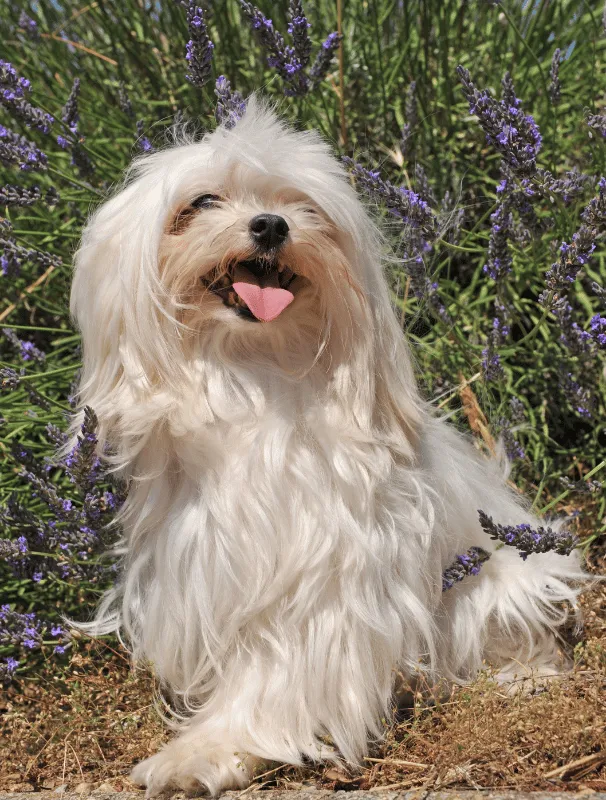
Maltese dogs are more susceptible to dental issues due to their small jaw size and tightly packed teeth. These conditions create narrow spaces where food and bacteria can accumulate more easily, increasing the risk of plaque formation and gum disease. Without regular care, these issues can progress more quickly compared to larger breeds.

EARLY WARNING SIGNS OF DENTAL PROBLEMS
Early signs of dental issues in Maltese dogs can include bad breath, yellowing teeth, gum redness, drooling, or changes in chewing behaviour. These symptoms often appear gradually and may be easy to overlook, but they are important indicators of developing oral health problems. Recognising them early allows for timely intervention and better long-term outcomes.

PREVENTION & DAILY DENTAL CARE
Maintaining a consistent dental care routine is one of the most effective ways to support long-term oral health in Maltese dogs. Regular brushing, routine checks, and preventative habits help reduce plaque buildup and support healthy gums throughout all life stages.
This page forms part of a wider Maltese health system, connecting with broader topics such as general health, mobility, and daily care routines. For more detailed guidance on overall wellbeing, owners can explore related Maltese dog health guides across the site.
Healthy Teeth Support a Healthier Maltese
Explore Other Topics

Best Chew Toys for Maltese Dogs
Safe chew toys designed to support dental health, reduce plaque, and satisfy teething instincts.
Best Food for Maltese Dogs
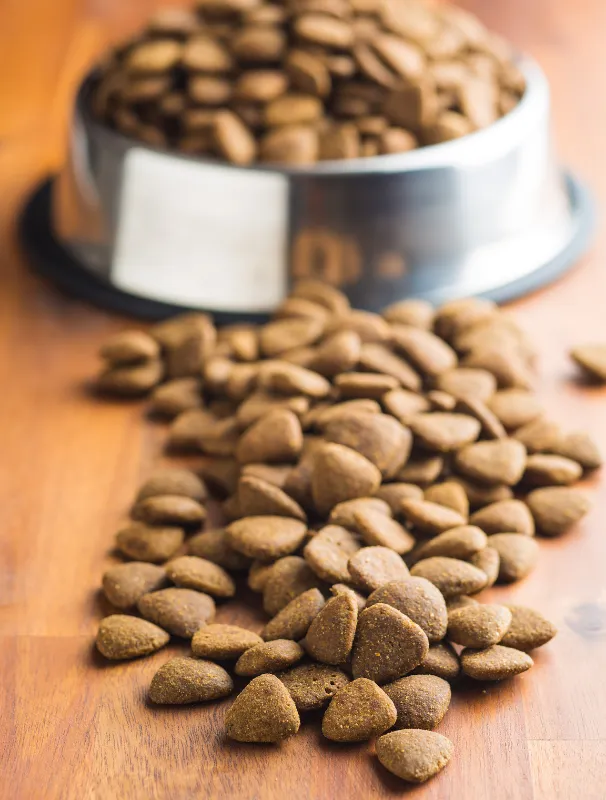
Discover healthier food options that support stronger teeth, healthier gums, and better digestion.
Daily Hygiene Care for Maltese Dogs
Daily essentials that help improve comfort, hygiene, and overall wellbeing at home.
Best Puppy Toys for Maltese Dogs
Gentle toys designed for teething, mental stimulation, comfort, and safe play for small Maltese puppies.
How Daily Care Supports Oral Health
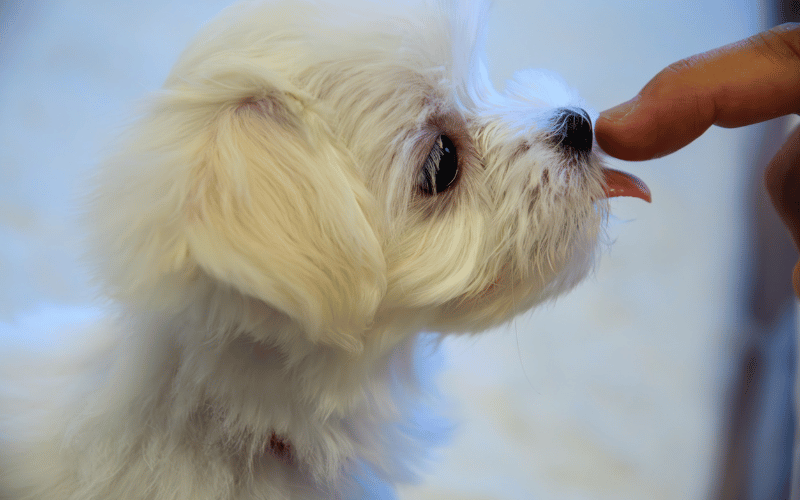
Daily grooming routines often include handling the mouth and face, making them an ideal time to check oral health. Combining gentle grooming with appropriate feeding habits supports long-term dental comfort and early detection of issues.
Dental health in Maltese dogs is best maintained through consistent preventative care, early detection of changes, and an understanding of how oral issues progress over time.
Dental & Oral Health Issues in Maltese Dogs – FAQs
These are common experiences shared by Maltese owners when learning proper grooming routines, switching to gentler products, and following breed-specific care advice.
Are Maltese dogs more prone to dental problems than other breeds?
Yes. Small breeds like Maltese are more susceptible to dental issues due to their jaw structure and closely spaced teeth.
How often should I check my Maltese’s teeth?
Regular checks during daily grooming routines help identify issues early and maintain oral hygiene.
Can dental issues affect overall health?
Yes. Untreated dental problems can impact overall health and comfort, making oral care an important part of wellbeing.
Disclosure
These are common experiences shared by Maltese owners when learning proper grooming routines, switching to gentler products, and following breed-specific care advice.
Dedicated to helping Maltese owners raise happy, healthy companions.
FOLLOW US


Confident Product Choices for Your Maltese
Explore carefully selected essentials designed for comfort, safety, and everyday use.
Disclosure: This website contains affiliate links. As an Amazon Associate, we earn from qualifying purchases. This comes at no extra cost to you.
Copyright 2026. Maltese Dog Care. All Rights Reserved.