
We make your pets happy
Common Maltese Health Issues
Common health issues in Maltese dogs often develop gradually and can affect multiple areas of wellbeing including dental health, skin condition, digestion, and mobility. Because Maltese dogs are small and sensitive, early awareness is essential for maintaining long-term comfort and preventing minor issues from becoming more serious over time. This page explains the most common health concerns, how they develop, and how owners can respond with proactive care.
Maltese dogs share several breed-specific health tendencies due to their size, genetics, and physical structure. While not all dogs will experience these issues, understanding the most common patterns helps owners recognise early changes and provide better long-term care. Many health concerns are interconnected, meaning one issue can often influence another if not addressed early.
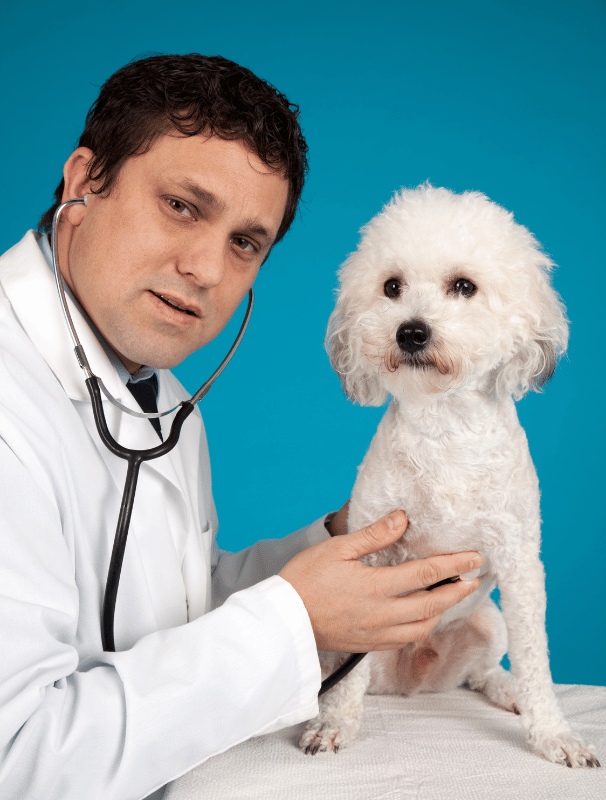
THE MOST COMMON HEALTH AREAS IN MALTESE DOGS
Health issues in Maltese dogs rarely appear suddenly. Instead, they often develop gradually over time through small, subtle changes in behaviour, everyday comfort, or physical condition. Factors such as diet, routine, grooming habits, and age all play a role in how these conditions progress.
Early detection is key, as it allows owners to make small adjustments that can significantly improve long-term outcomes and reduce discomfort.
THE MOST COMMON HEALTH AREAS IN MALTESE DOGS
These are some of the health concerns more frequently associated with Maltese dogs. Awareness does not mean expectation, but it does support early recognition and proactive care.

Dental & Oral Health Issues
Dental problems are one of the most common concerns in Maltese dogs due to their small mouths and tightly packed teeth. Without consistent care, plaque buildup and gum irritation can develop over time, affecting both comfort and overall health.

Maltese Joint & Mobility Concerns
Maltese dogs may experience stiffness or reduced mobility as they age. Their small frame can make joints more sensitive, especially without proper support through movement, rest, and weight management.

Digestive Sensitivities For Maltese Dogs
Some Maltese dogs may experience digestive sensitivity, which can be influenced by diet changes, stress, or ingredient intolerance. Monitoring diet consistency is important for long-term digestive comfort.

Maltese Skin & Coat Conditions
Skin sensitivity and coat issues can occur in Maltese dogs due to allergies, grooming routines, or environmental factors. Regular care helps maintain coat health and reduce irritation.

WHY THESE ISSUES ARE CONNECTED
Many common Maltese health issues are interconnected rather than isolated. For example, nutrition & feeding can influence skin condition, while mobility changes can affect overall activity levels and weight.
Understanding how these areas interact helps owners take a more complete approach to care, focusing on overall wellbeing rather than individual symptoms.

EARLY WARNING SIGNS TO WATCH FOR
Early signs of health issues in Maltese dogs are often subtle and easy to miss. These may include changes in energy levels, appetite, grooming behaviour, Joint & mobility, as well as movement patterns, or sensitivity during handling.
Paying attention to these early signals allows owners to respond sooner and prevent issues from developing further.

WHY PREVENTATIVE CARE MATTERS
Preventative care is one of the most effective ways to support long-term health in Maltese dogs. Because many common conditions develop gradually, consistent routines around nutrition, daily grooming, dental care, and movement can significantly reduce the likelihood of more serious health concerns later in life.
Supporting Your Maltese’s Health Starts With Knowledge

How Daily Care Supports Long-Term Health
Consistent grooming, balanced nutrition, and stable routines play an important role in reducing the impact of common health concerns. Daily care supports early detection and overall wellbeing throughout a Maltese dog’s life.
Common Maltese Health Issues – FAQs
These are common experiences shared by Maltese owners when learning proper grooming routines, switching to gentler products, and following breed-specific care advice.
Are Maltese dogs generally healthy?
Yes. Maltese dogs are typically healthy and long-lived, but they can be prone to certain breed-related health concerns that benefit from proactive care.
Do all Maltese dogs develop health problems?
No. Not all Maltese dogs experience health issues. Awareness simply helps owners recognise signs early and provide appropriate support.
Should health concerns always be treated by a vet?
Yes. While daily care plays a supportive role, any health concern should be assessed by a qualified veterinarian.
Disclosure
These are common experiences shared by Maltese owners when learning proper grooming routines, switching to gentler products, and following breed-specific care advice.
Dedicated to helping Maltese owners raise happy, healthy companions.
FOLLOW US


Confident Product Choices for Your Maltese
Explore carefully selected essentials designed for comfort, safety, and everyday use.
Disclosure: This website contains affiliate links. As an Amazon Associate, we earn from qualifying purchases. This comes at no extra cost to you.
Copyright 2026. Maltese Dog Care. All Rights Reserved.