
We make your pets happy
Maltese Home & Comfort Guides Hub
Creating a calm, safe, and comfortable home environment is essential for Maltese dogs. This hub brings together practical, breed-specific guidance focused on comfort, rest, safety, and everyday living — helping Maltese owners create a space where their dog feels secure, relaxed, and truly at home.
A Maltese dog’s home environment plays a critical role in their daily comfort, emotional stability, and long-term wellbeing. Because this breed is small, sensitive, and highly companion-focused, even minor environmental factors such as noise, temperature, resting areas, and furniture access can significantly influence behaviour and stress levels.
This guide brings together all essential home and comfort topics to help owners create a safe, structured, and supportive indoor environment.
The Maltese Care Framework
This guide hub serves as a complete reference system for Maltese owners covering every essential aspect of care.
Maltese dog care is built around a complete framework rather than individual topics. Every area of care — including health, grooming, nutrition, home environment, and behaviour — works together to shape a dog’s overall wellbeing.
Because Maltese dogs are small, sensitive, and emotionally responsive, they rely heavily on consistency and structure. This means that even minor changes in routine or environment can affect multiple areas at once.
For this reason, Maltese care should be understood as a connected system rather than separate responsibilities. When all areas are managed together, it supports long-term stability, healthier behaviour, and improved quality of life.
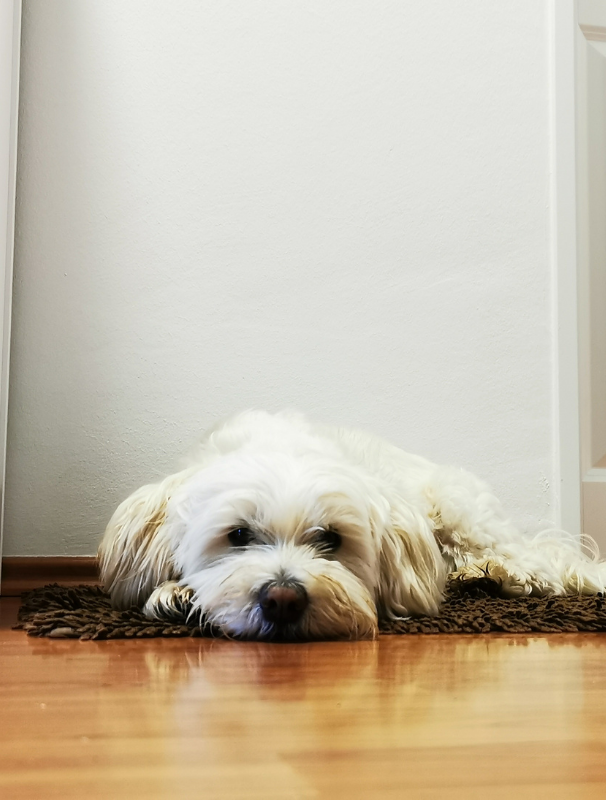
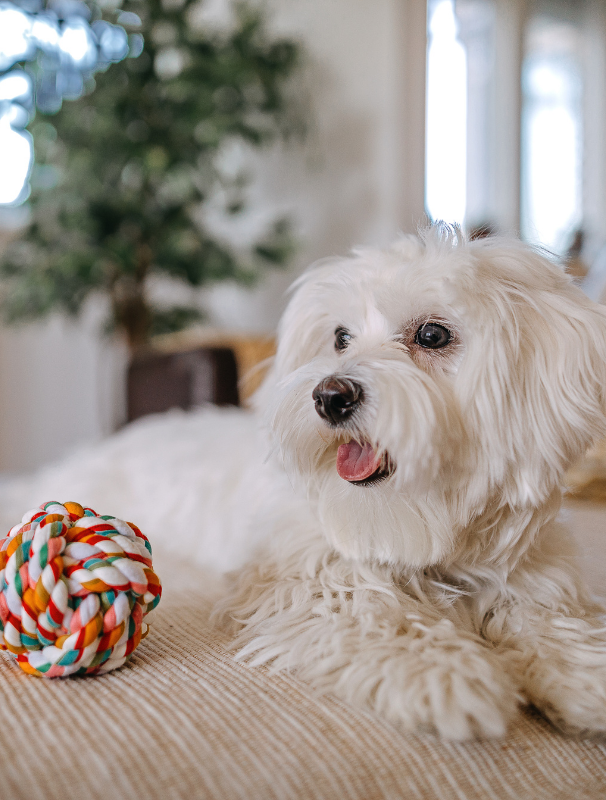
Why Home Comfort Matters for Maltese Dogs
A well-balanced home environment for Maltese dogs is built around several essential comfort factors that directly affect their behaviour, rest quality, and overall wellbeing.
These include:
Safe and stable resting spaces
Proper sleep environments and comfort zones
Reduced stress and noise exposure
Safe movement around furniture and stairs
Consistent indoor routines and structure
Temperature and environmental control
What This Guide Covers
This Maltese Care Guide Hub brings together all essential topics owners need to understand in order to care for a Maltese dog properly across every stage of life. This includes daily care routines, health awareness, feeding guidance, grooming needs, behavioural support, and long-term prevention strategies.
Together, these topics form a complete Maltese care system designed to support health, behaviour, and long-term wellbeing.
Daily Care & Routine
How to properly care for a Maltese dog on a daily basis, including structure, exercise, rest, and consistency.
Maltese Health Issues
What health problems Maltese dogs are most prone to and how to recognise early warning signs.
Feeding & Nutrition
How to feed a Maltese dog correctly, including portion control, schedules, and long-term nutrition balance.
Grooming Requirements
How often grooming is needed, what it includes, and how to maintain coat and skin health.
Behaviour & Indoor Living
How to manage indoor behaviour, routine stability, and emotional wellbeing at home.
Preventative Health Care
How to reduce the risk of long-term health problems through early intervention and structured care.
Essential Care Routines
What daily and weekly care routines matter most for maintaining overall wellbeing.
Early Warning Signs
How to recognise early symptoms of common Maltese health and behavioural issues.
Life Stage (Puppy → Adult → Senior)
How Maltese care needs change throughout different stages of life and how to adapt routines accordingly.

Understanding Maltese Home Care as a Complete System
Home comfort for Maltese dogs is not one single factor — it is a combination of safety, routine, environment, stimulation, and rest. Each area works together to shape how secure and relaxed a Maltese feels inside the home.
When one area is weak, others are affected. For example, poor indoor stimulation can increase anxiety, while inconsistent routines can impact sleep and behaviour. This is why home care should be approached as a connected system rather than isolated tips.
Essential Care Guides for Maltese Owners
The following core care areas represent the foundation of Maltese wellbeing. Each category links to deeper specialist guides designed to help owners understand both individual care topics and how they work together as part of a complete care system.

Health & Wellbeing
Maltese dogs are prone to specific health issues including joint sensitivity, dental problems, and skin conditions. Understanding early signs and preventative care is essential for long-term wellbeing.

Dental & Oral Care
Proper portion control, feeding frequency, and balanced nutrition play a major role in energy levels, digestion, and weight management for Maltese dogs. Small dietary mistakes can have long-term effects.

Nutrition & Feeding
Proper portion control, feeding frequency, and balanced nutrition play a major role in energy levels, digestion, and weight management for Maltese dogs. Small dietary mistakes can have long-term effects
.

Grooming & Coat Care
The Maltese coat requires regular maintenance to prevent matting, skin irritation, and hygiene issues. Grooming is not optional — it is a core health requirement.
Lifestyle & Indoor Living
Because Maltese dogs spend most of their time indoors, their environment directly impacts behaviour, emotional wellbeing, and stress levels. Structured routines and calm environments are essential.
Home Care Essentials
Maltese dogs are emotionally sensitive and respond strongly to routine consistency. Predictable daily structure helps reduce anxiety and improve long-term behavioural stability.
Together, these care areas form a complete Maltese wellbeing system that supports health, behaviour, comfort, and long-term stability.

Why These Problems Develop in Maltese Dogs
Most home comfort issues in Maltese dogs develop gradually due to small environmental stressors that build up over time. Because Maltese dogs are sensitive to routine and emotional cues, even minor disruptions in their environment can affect their behaviour and comfort levels.
These issues are often interconnected — meaning one problem (such as restlessness) can be linked to another (such as poor sleep or lack of routine stability). Recognising these connections early allows owners to make small adjustments before problems become more noticeable.
These may include:
Restlessness or difficulty settling indoors
Anxiety when left alone in certain spaces
Jumping on or off furniture leading to injury risk
Sensitivity to temperature changes or drafts
Lack of designated safe or resting areas
Inconsistent daily indoor routines
Addressing these issues early helps improve comfort, behaviour, and long-term stability.

Why Maltese Care Areas Are Interconnected
Many common issues in Maltese dogs do not develop in isolation. Instead, they gradually build from small imbalances across daily care routines, environment, and health management.
Because Maltese dogs are highly sensitive to change, even subtle disruptions in feeding schedules, grooming routines, or indoor stability can influence behaviour, energy levels, and overall wellbeing.
Understanding these connections is important because it allows owners to move from reactive care (fixing problems after they appear) to preventative care (reducing risk before issues develop). This approach leads to better long-term health, fewer behavioural issues, and improved quality of life.
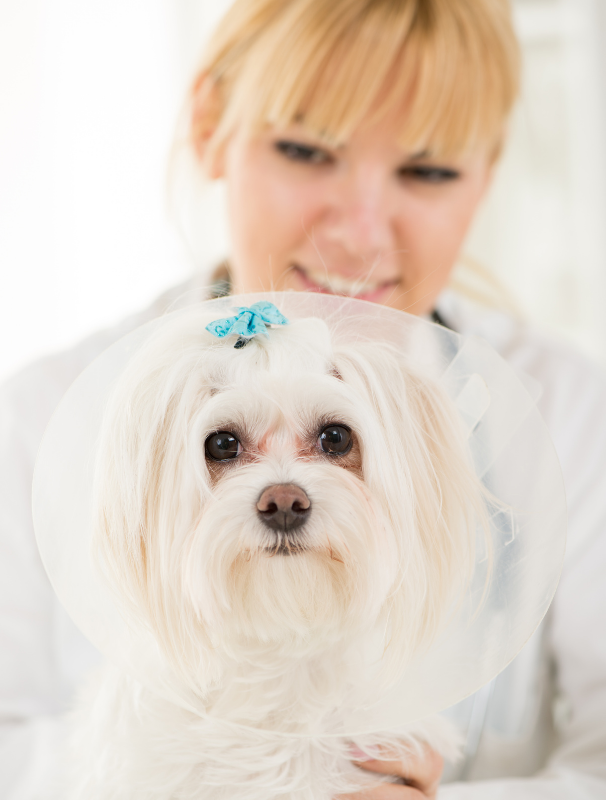
Why Preventative Care Matters More Than Reactive Care
Preventative care is one of the most important aspects of Maltese dog ownership because this breed is highly sensitive to environmental, behavioural, and physical changes. Small issues can develop gradually over time if early signs are missed.
Because Maltese dogs are small and sensitive, they are more likely to show early warning signs before conditions become more serious. This makes routine observation, structured care, and environmental stability essential parts of responsible ownership.
A preventative approach helps reduce stress, improve comfort, and support long-term physical and emotional wellbeing by addressing potential issues early rather than waiting for symptoms to escalate.
This approach is especially effective for Maltese dogs because early intervention helps prevent minor issues from developing into long-term health or behavioural concerns.
A Comfortable Home Helps Your Maltese Feel Secure and Relaxed
How These Guides Support Everyday Maltese Living
Each home and comfort guide is designed to work together, helping owners create an environment that supports rest, routine, and emotional security. From choosing the right bed to arranging safe living spaces, these guides provide practical advice that fits naturally into everyday life — helping Maltese dogs feel settled, comfortable, and cared for.
Explore Other Maltese Care Guide Topics

Nutrition & Feeding Guides
Practical guides covering grooming, care routines, and daily needs.

Lifestyle & Living Guides
Daily routines, travel, enrichment, and life style with a Maltese dog.

Health & Wellbeing Guides
Supporting long-term health, comfort, and breed-specific wellbeing.

Maltese Puppy Care Guide
Providing long-term health, comfort, and security for puppy growth.
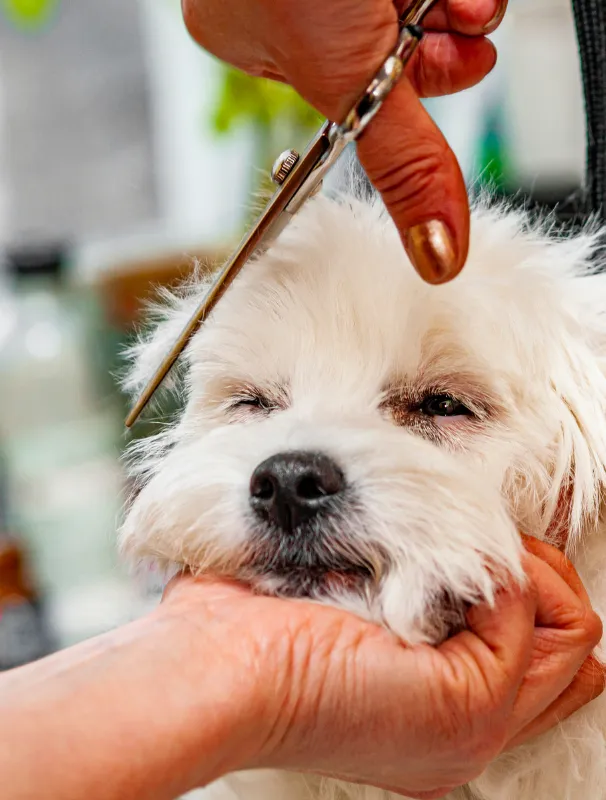
Maltese Care Guide
Essential care guides covering grooming, routines, and daily needs.

How Home Comfort Actually Affects Maltese Dogs
Maltese dogs are highly sensitive to their environment, meaning even small changes in comfort, temperature, or routine can affect their behaviour and wellbeing. Because of their small size and close attachment to owners, they rely heavily on predictable, calm indoor environments to feel secure.
Poor home comfort can lead to subtle but important changes such as restlessness, clinginess, reduced appetite, or disrupted sleep patterns. Over time, these small signals can build into larger behavioural or health concerns if the environment is not adjusted appropriately.
A well-structured home environment supports:
emotional stability
better sleep quality
reduced stress behaviours
improved long-term health outcomes
When used correctly, these products significantly improve both physical comfort and emotional wellbeing.

Building a Stable Home Environment
A stable and predictable home environment is one of the most important factors in maintaining Maltese wellbeing. When sleeping areas, movement patterns, and daily routines remain consistent, Maltese dogs experience lower stress levels and improved behavioural balance.
This structured approach helps create a calm, secure, and comfortable home life.
Early Warning Signs Owners Should Never Ignore
Maltese dogs often show early behavioural or physical changes when something is wrong. These signs can be subtle at first but may indicate underlying issues if they persist.
Common early warning signs include:
changes in appetite or eating habits
reduced energy or increased lethargy
increased scratching or grooming behaviour
changes in sleep patterns
unusual clinginess or withdrawal
changes in stool consistency or digestion
Recognising these early signals allows owners to act quickly and adjust care routines before problems become more serious. Early intervention is one of the most important factors in maintaining long-term Maltese health.
Maltese Home & Comfort FAQs
These are common experiences shared by Maltese owners when learning proper grooming routines, switching to gentler products, and following breed-specific care advice.
Are these guides suitable for new Maltese owners?
Yes. These guides are designed to support both first-time and experienced Maltese owners, with clear, practical advice focused on comfort and everyday living.
Do these guides include product recommendations?
Some guides reference commonly used comfort items to help explain choices, but the primary focus is education and guidance.
How often are the home & comfort guides updated?
Guides are reviewed and updated regularly to reflect best practices and evolving care advice.
Disclosure
These guides are based on common Maltese owner experiences and general comfort and care practices. They are intended for informational purposes and should not replace professional veterinary advice where required.
Dedicated to helping Maltese owners raise happy, healthy companions.
FOLLOW US


Confident Product Choices for Your Maltese
Explore carefully selected essentials designed for comfort, safety, and everyday use.
Disclosure: This website contains affiliate links. As an Amazon Associate, we earn from qualifying purchases. This comes at no extra cost to you.
Copyright 2026. Maltese Dog Care. All Rights Reserved.