
We make your pets happy
Maltese Dog Care Guides: Complete Expert Resource for Owners
This comprehensive Maltese care hub brings together all essential guidance for raising a healthy, well-behaved, and comfortable Maltese dog. From health, nutrition, grooming, behaviour, and daily routines, these guides are designed to give owners clear, practical, and breed-specific advice based on real Maltese needs. Each section connects to deeper expert guides to help you make informed, confident decisions throughout every stage of your dog’s life.
Maltese dog care involves understanding a complete system of interconnected needs including health, nutrition, grooming, behaviour, and environment. Because this breed is highly sensitive and requires structured daily care, each of these areas plays a direct role in overall wellbeing.
This guide serves as the central resource for all Maltese care topics, bringing together detailed, practical, and breed-specific guidance to help owners make informed decisions at every stage of their dog’s life.

What makes Maltese dog care unique?
Maltese dogs have distinct care requirements compared to many other breeds. Their small jaw structure, low body weight, fine coat, and sensitive temperament mean they are more affected by environmental changes, feeding routines, and grooming consistency.
Because of this, Maltese care is not based on isolated routines — it is a connected system where health, nutrition, grooming, and lifestyle all influence each other over time.
Understanding this interconnected structure is key to maintaining long-term wellbeing.
What This Guide Covers
This Maltese Care Guide Hub is designed to answer all major questions owners search for, including:
How to properly care for a Maltese dog daily
What health issues Maltese dogs are prone to
How to feed a Maltese Dog Correctly
How often grooming is required for Maltese Dogs
How to manage indoor behaviour and routine
How to prevent long-term health problems
What essential care routines matter most
How to recognise early warning signs of common Maltese health issues
How Maltese care needs change with age (puppy → adult → senior)

Maltese Care Across Different Life Stages
Maltese dogs require different levels of care depending on their stage of life. Understanding these changes helps owners provide more appropriate support as their dog grows and develops.
Puppy Stage: Focus on socialisation, routine training, feeding schedules, and early grooming habits.
Adult Stage: Emphasis on maintaining balanced health, consistent routines, dental care, and exercise stability.
Senior Stage: Increased focus on joint support, mobility changes, dental health monitoring, and comfort-based care.
Care requirements naturally evolve as Maltese dogs grow, and recognising these shifts is essential for long-term wellbeing. Preventative care becomes increasingly important with age to maintain comfort, mobility, and health stability.
Each stage requires small adjustments, but all remain connected within a consistent care system.
Each area of Maltese care plays a specific role, but none of them function in isolation. For example, nutrition affects energy and behaviour, grooming impacts skin health, and indoor environment influences emotional stability.
This interconnected structure is what makes Maltese care different from general dog care guides.
Essential Care Guides for Maltese Owners
The following core care areas represent the foundation of Maltese wellbeing. Each category links to deeper specialist guides designed to help owners understand both individual care topics and how they work together as part of a complete care system.

Health & Wellbeing
Maltese dogs are prone to specific health issues including joint sensitivity, dental problems, and skin conditions. Understanding early signs and preventative care is essential for long-term wellbeing.

Dental & Oral Care
Proper portion control, feeding frequency, and balanced nutrition play a major role in energy levels, digestion, and weight management for Maltese dogs. Small dietary mistakes can have long-term effects.

Nutrition & Feeding
Proper portion control, feeding frequency, and balanced nutrition play a major role in energy levels, digestion, and weight management for Maltese dogs. Small dietary mistakes can have long-term effects.

Grooming & Coat Care
The Maltese coat requires regular maintenance to prevent matting, skin irritation, and hygiene issues. Grooming is not optional — it is a core health requirement.
Lifestyle & Indoor Living
Because Maltese dogs spend most of their time indoors, their environment directly impacts behaviour, emotional wellbeing, and stress levels. Structured routines and calm environments are essential.
Home Care Essentials
Maltese dogs are emotionally sensitive and respond strongly to routine consistency. Predictable daily structure helps reduce anxiety and improve long-term behavioural stability.
While each care area can be studied individually, the most effective approach to Maltese wellbeing is understanding how these elements interact. Small changes in one area can influence multiple aspects of health and behaviour over time.
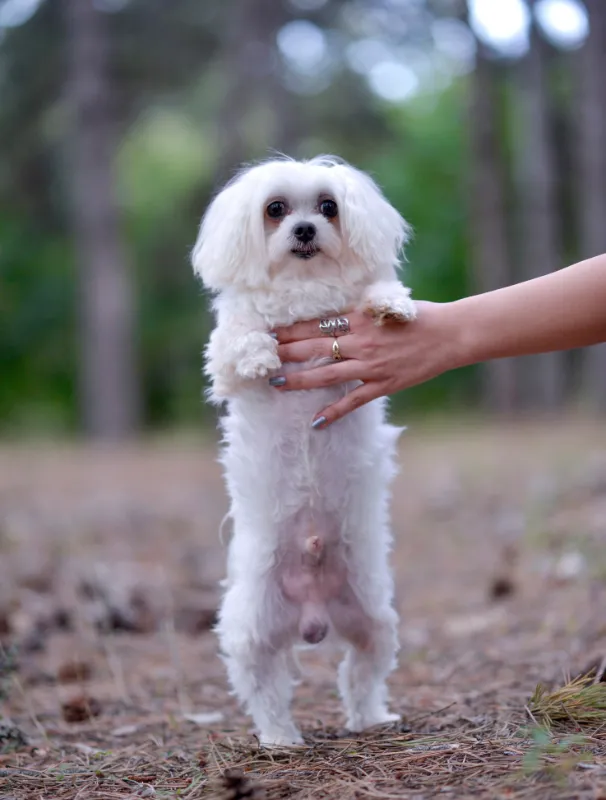
How are Maltese care areas connect?
Maltese care should be understood as a connected system rather than separate topics. For example, poor feeding habits can affect energy levels and behaviour, while dental issues can impact appetite and overall wellbeing.
Similarly, indoor living environment and routine consistency can influence stress levels, digestion, and long-term health outcomes.
This interconnected approach is essential for preventing issues before they develop.

Early Warning Signs Owners Should Watch For
Recognising early changes in Maltese dogs is essential for preventing long-term health issues. Many common problems begin with subtle behavioural or physical signs, including:
Changes in energy levels or reduced activity
Behavioural changes such as clinginess or irritability
Changes in eating habits or appetite
Bad breath or dental changes
Skin irritation, itching, or coat changes
Digestive sensitivity or irregular stool patterns
Reduced activity or reluctance to move
These early indicators often appear before more serious health issues develop, making observation an important part of daily care.
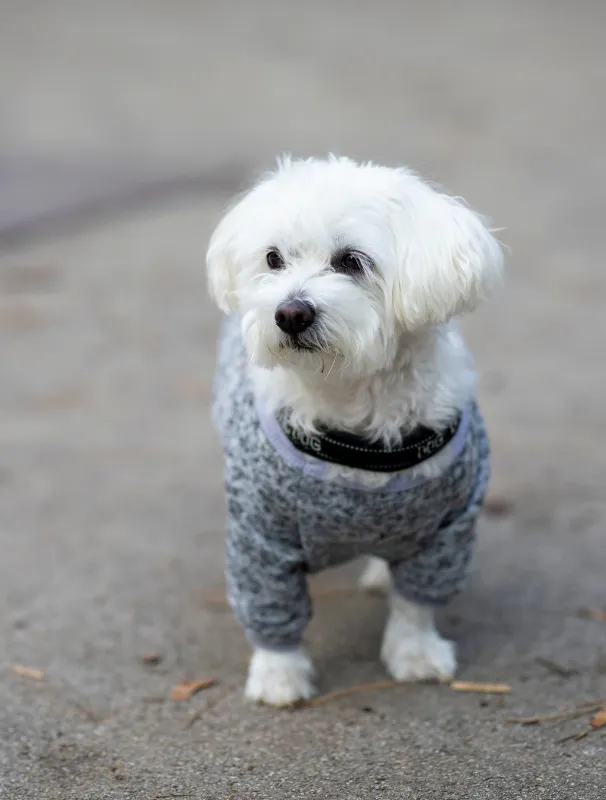
Common Health Conditions in Maltese Dogs
Maltese dogs are prone to several breed-specific health conditions that owners should be aware of. Understanding these helps with early detection and better long-term care.
Luxating patella (knee instability)
Tracheal collapse and breathing sensitivity
Skin allergies and irritation
Early recognition of these conditions allows for more effective prevention and care management.

Recognising Symptoms and Responding Early
Many Maltese health and behaviour issues can be managed more effectively when early signs are understood and addressed quickly.
For Example
Reduced appetite → may indicate digestive or dental issues
Excessive scratching → may indicate skin sensitivity or allergies
Reluctance to jump → may indicate joint discomfort
Increased tear staining → may indicate eye or diet-related issues
Understanding these patterns helps owners take early action before issues develop further.

Preventive care approach
Preventative care is the most effective way to maintain long-term health in Maltese dogs. Rather than reacting to problems after they develop, consistent routines in feeding, daily grooming, health monitoring, and environment management help reduce the risk of chronic issues.
This proactive approach ensures better quality of life and reduces long-term veterinary complications.
Confident Maltese Care Starts With the Right Essentials
A complete Maltese care approach requires understanding the breed as a whole system rather than isolated care tasks. When health, nutrition, grooming, and environment are managed together, owners can significantly improve long-term comfort, behaviour stability, and overall wellbeing.
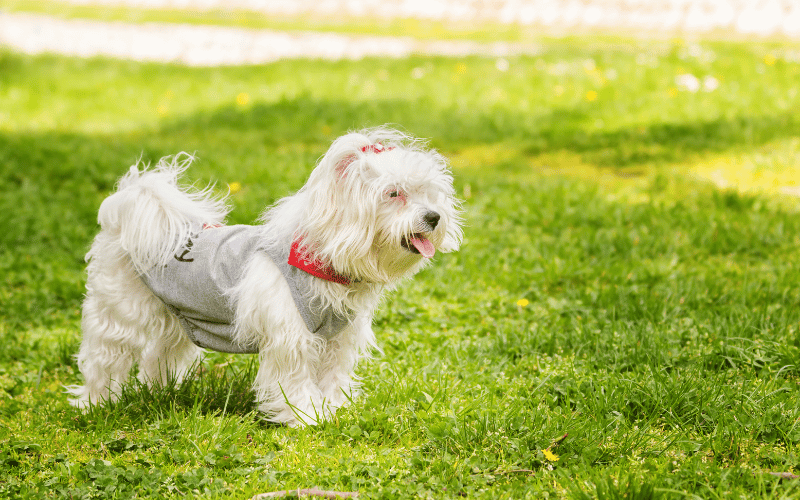
WHY THIS GUIDE HUB EXISTS
This Maltese Care Guide Hub is designed to provide structured, practical, and breed-specific information based on common Maltese care needs. The goal is to help owners understand not just individual issues, but how different aspects of care work together to support long-term wellbeing.
All guidance is written to be practical, accessible, and focused on real-world daily care.
Explore Topics

Nutrition & Feeding Guides
Practical guides covering grooming, care routines, and daily needs.

Lifestyle & Living Guides
Daily routines, travel, enrichment, and life style with a Maltese dog.
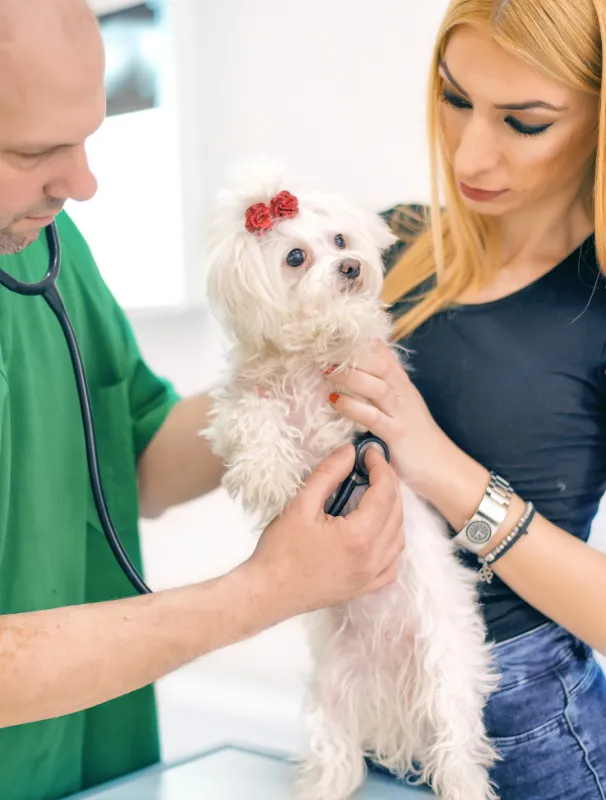
Health & Wellbeing Guides
Supporting long-term health, comfort, and breed-specific wellbeing.
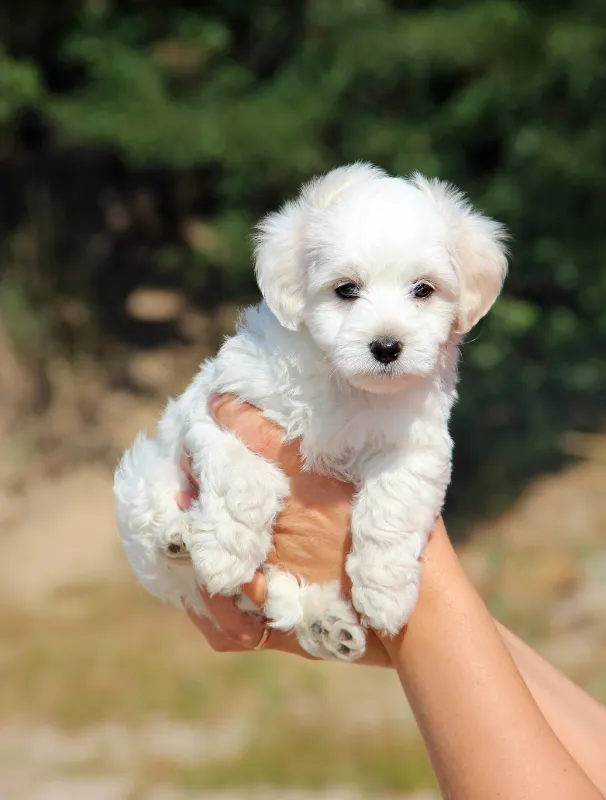
Maltese Puppy Care Guide
Providing long-term health, comfort, and security for puppy growth.

Home & Living Care Guide
Create a calm, comfortable home for sleeping spaces, indoor routines.
This Maltese Care Guide Hub acts as the foundation for all related topics across the site. Each individual guide expands on a specific area of care, but all content connects back to this central structure to ensure consistency, clarity, and a complete understanding of Maltese wellbeing.
Maltese Care Guides FAQs
These are common experiences shared by Maltese owners when learning proper grooming routines, switching to gentler products, and following breed-specific care advice.
Are Maltese dogs high maintenance?
Yes. Due to their coat, dental structure, and sensitivity, Maltese dogs require consistent grooming, dental care, and routine structure.
What is the most important care area for Maltese dogs?
All areas are interconnected, but grooming, dental care, and nutrition are particularly important for long-term health.
How often should Maltese dogs be groomed?
Regular grooming is required several times per week, with professional grooming depending on coat condition and lifestyle.
Do Maltese dogs need special diets?
Yes. Their small size and sensitive digestion often require controlled portions and balanced nutrition.
Disclosure
These are common experiences shared by Maltese owners when learning proper grooming routines, switching to gentler products, and following breed-specific care advice.
Dedicated to helping Maltese owners raise happy, healthy companions.
FOLLOW US


Confident Product Choices for Your Maltese
Explore carefully selected essentials designed for comfort, safety, and everyday use.
Disclosure: This website contains affiliate links. As an Amazon Associate, we earn from qualifying purchases. This comes at no extra cost to you.
Copyright 2026. Maltese Dog Care. All Rights Reserved.