
We make your pets happy
Portion Sizes & Feeding Frequency for Maltese Dogs
Feeding portion sizes and frequency play a crucial role in maintaining the health, energy levels, and digestive stability of Maltese dogs. Because Maltese dogs are small and sensitive, even minor feeding imbalances can affect weight, digestion, and long-term wellbeing. This page explains how to structure feeding routines, adjust portions correctly, and avoid common nutritional mistakes.
Maltese dogs require carefully balanced feeding routines due to their small size and sensitive digestive systems. Both overfeeding and underfeeding can lead to long-term health issues, making portion control and feeding consistency essential for maintaining overall wellbeing.

Why Maltese-Specific Feeding Guidance Matters
Feeding routines do more than provide daily energy — they directly influence long-term health in Maltese dogs. Incorrect portion sizes or inconsistent feeding schedules can contribute to weight gain, digestive issues, low energy, and behavioural changes. Over time, even small feeding imbalances can affect overall wellbeing, making structured feeding one of the most important aspects of daily care.
Maltese dogs require carefully balanced feeding routines due to their small size and sensitive digestive systems. Both overfeeding and underfeeding can lead to long-term health issues, making portion control and feeding consistency essential for maintaining overall wellbeing.
Essential Portion & Feeding Topics for Maltese Dogs
Understanding how much and how often to feed your Maltese helps prevent weight gain, digestive discomfort, and long-term health issues. These key topics cover the foundations of responsible feeding for Maltese dogs.

Daily Portion Sizes for Maltese Dogs
Correct portion sizing helps maintain a healthy weight, supports digestion, and ensures Maltese dogs receive balanced nutrition without excess strain on their small bodies.

Meal Frequency & Feeding Schedules
Consistent feeding schedules help regulate energy levels, improve digestion, and create a stable routine that supports behavioural balance.

Adjusting Portions by Age & Activity
Feeding requirements change over time, with puppies, adults, and senior dogs needing different portion levels based on energy use and metabolism.

Signs of Overfeeding & Underfeeding
Early detection of feeding imbalance is essential, as changes in weight, energy, or digestion can indicate that adjustments are needed.
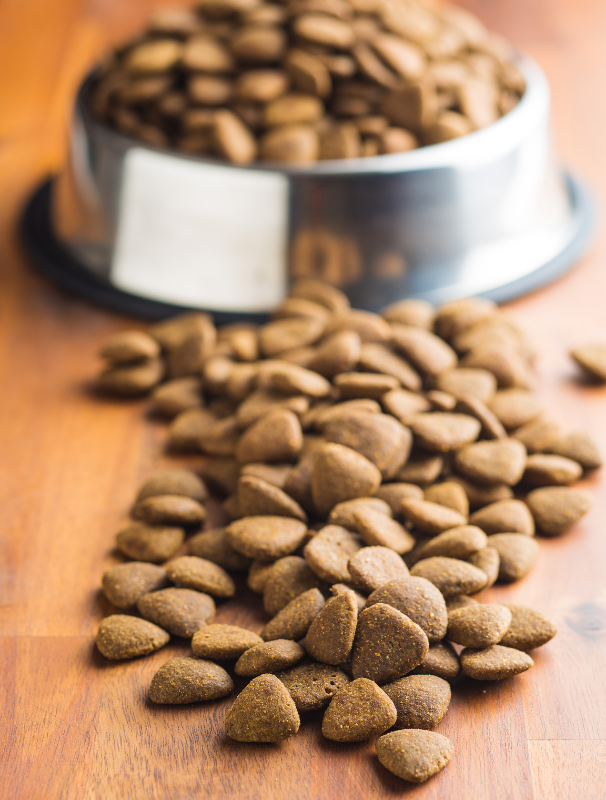
WHY FEEDING CONSISTENCY MATTERS
Consistent feeding routines are essential for maintaining digestive stability and preventing unnecessary fluctuations in weight or energy levels. Irregular feeding patterns can lead to stress on the digestive system and affect long-term health outcomes, particularly in small breeds like Maltese dogs.
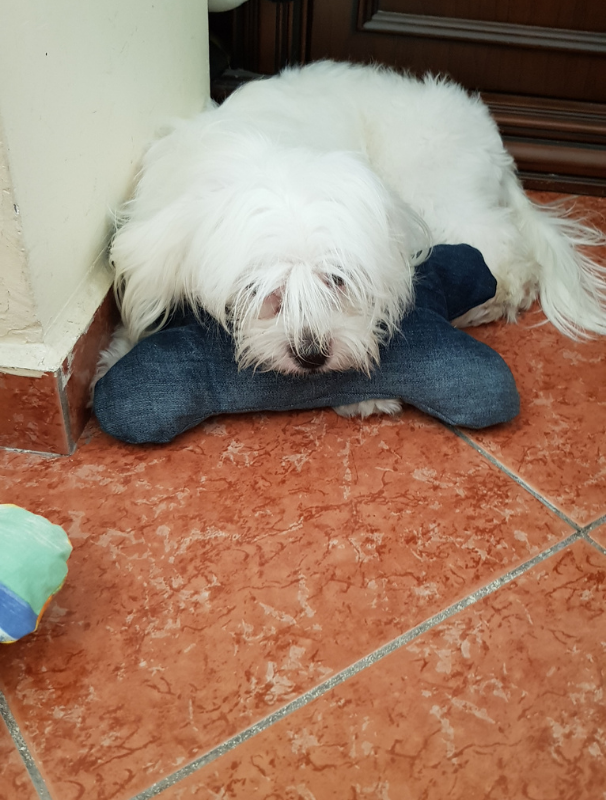
EARLY SIGNS OF FEEDING IMBALANCE
Signs of incorrect feeding routines may include sudden weight changes, reduced energy, digestive discomfort, or changes in appetite. These indicators often develop gradually and can be corrected early with appropriate adjustments to portion sizes and feeding frequency.

WHY STRUCTURED FEEDING PREVENTS LONG-TERM ISSUES
A structured feeding approach helps prevent long-term health complications by maintaining stable energy levels, supporting digestion, and reducing unnecessary weight gain. For small breeds like Maltese dogs, consistency in feeding is one of the most effective ways to support overall wellbeing.
This feeding guide is part of a wider Maltese care system that includes nutrition, health, mobility, and lifestyle guidance. Together, these areas help ensure balanced long-term wellbeing through consistent and informed daily care decisions.
Supporting Your Maltese’s Health Starts With Knowledge

How Feeding Routines Fit Into Daily Maltese Care
Portion sizes and feeding frequency work hand-in-hand with grooming, exercise, and daily routines. Feeding your Maltese the right amount at consistent times helps regulate digestion, prevent sudden hunger spikes, and maintain calm behaviour throughout the day.
When feeding routines align with walks, playtime, and rest, Maltese dogs are more comfortable and predictable in their daily habits. Thoughtful feeding supports overall care rather than existing as a separate routine.
Feeding consistency, portion control, and structured meal timing work together as a complete system for maintaining long-term health in Maltese dogs. When managed correctly, they support stable energy levels, healthy digestion, and balanced weight throughout all life stages.
Portion Sizes & Feeding Frequency for Maltese Dogs – FAQs
These are common experiences shared by Maltese owners when learning proper grooming routines, switching to gentler products, and following breed-specific care advice.
How many times a day should I feed my Maltese dog?
Most adult Maltese dogs do well with two meals per day, while puppies may require three to four smaller meals.
How much food should a Maltese dog eat daily?
Portion size depends on age, activity level, and food type, but Maltese dogs typically require small, carefully measured servings.
Can overfeeding cause health issues in Maltese dogs?
Yes. Overfeeding can lead to weight gain, joint strain, digestive issues, and reduced energy levels.
Should portion sizes change as my Maltese ages?
Yes. Puppies, adults, and senior Maltese dogs all have different nutritional and portion needs.
Disclosure
This guide is based on general Maltese care knowledge and common feeding practices. It is intended for informational purposes only and should not replace professional veterinary advice.
Dedicated to helping Maltese owners raise happy, healthy companions.
FOLLOW US


Confident Product Choices for Your Maltese
Explore carefully selected essentials designed for comfort, safety, and everyday use.
Disclosure: This website contains affiliate links. As an Amazon Associate, we earn from qualifying purchases. This comes at no extra cost to you.
Copyright 2026. Maltese Dog Care. All Rights Reserved.