
We make your pets happy
Nutrition & Feeding for Maltese Dogs
Proper nutrition plays a central role in a Maltese dog’s health, coat condition, digestion, and long-term wellbeing. Because Maltese dogs are small, sensitive, and prone to specific health concerns, their diet requires more care than generic feeding advice.
This page provides clear, Maltese-specific guidance to help owners make confident, informed feeding decisions.
Essential Nutrition & Feeding Topics for Maltese Dogs
Proper nutrition plays a major role in a Maltese dog’s coat condition, digestion, energy levels, and long-term wellbeing. Because Maltese dogs are small, sensitive, and prone to issues such as tear staining, digestive upset, and skin irritation, feeding routines often require more care than many owners initially expect.
Rather than focusing only on portion size, many experienced Maltese owners build routines around ingredient quality, consistency, hydration, and gentle feeding habits that support healthy digestion and stable energy throughout the day.
Some Maltese dogs may also react poorly to heavily processed foods, artificial additives, or sudden dietary changes. Introducing balanced meals gradually and maintaining consistent feeding times can often help reduce digestive stress while supporting healthier coat and skin condition over time.
For puppies and smaller Maltese dogs especially, smaller meals spaced throughout the day are often easier to digest than one large portion.
👉 Explore our complete Maltese puppy care guide for early feeding routines and daily puppy care habits.
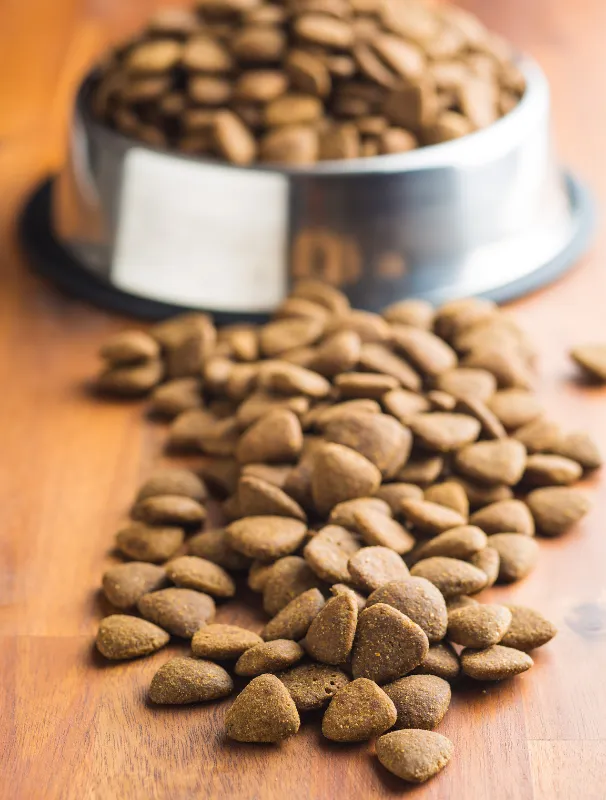

Why Diet Can Affect Tear Stains in Maltese Dogs
Some Maltese owners notice that diet appears to affect tear staining, particularly when lower-quality ingredients, artificial colouring, or digestive sensitivities are involved. While tear stains can develop for several reasons, nutrition may still play a role in overall eye health, inflammation, and moisture build-up around the face.
Because Maltese dogs are prone to facial staining and sensitive digestion, many owners prefer gentler food options with simpler ingredient lists and consistent feeding routines.
Hydration also matters. Fresh water and balanced nutrition can help support healthier digestion and overall wellbeing while reducing unnecessary irritation caused by poor dietary habits.
👉 Learn more about our recommended tear stain care routine for Maltese dogs and gentle daily hygiene support.
Common Feeding Mistakes Maltese Owners Make
Many Maltese owners unintentionally create feeding issues through inconsistent routines, excessive treats, sudden food changes, or poor-quality ingredients. Because Maltese dogs are small and sensitive, even minor dietary imbalances can sometimes affect digestion, coat condition, or energy levels more noticeably than in larger breeds.
Overfeeding is another common issue, particularly with indoor Maltese dogs that receive limited daily exercise. Consistent portions and balanced feeding habits are usually more effective long term than frequent treats or irregular meal schedules.
Some owners also underestimate how closely nutrition connects with grooming, coat quality, tear staining, and skin sensitivity. Healthy feeding habits often support healthier grooming outcomes over time.
👉 A balanced daily grooming routine for a Maltese dog can also help maintain healthier coat condition alongside proper nutrition.
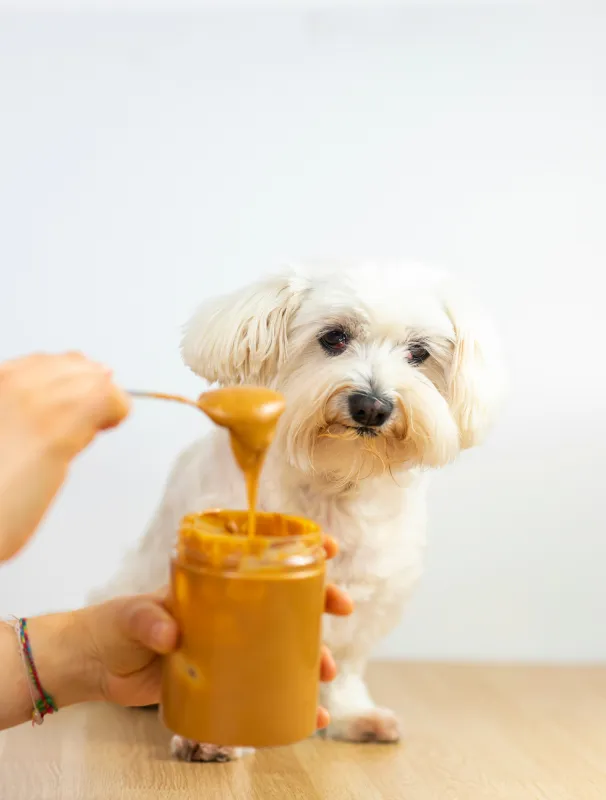
Creating a Healthy Feeding Routine for a Maltese Dog
Maltese dogs usually respond best to feeding routines that feel consistent, balanced, and easy to maintain long term. Because they are a small and sensitive breed, even minor changes in diet or meal timing can sometimes affect digestion, energy levels, coat condition, and overall comfort.
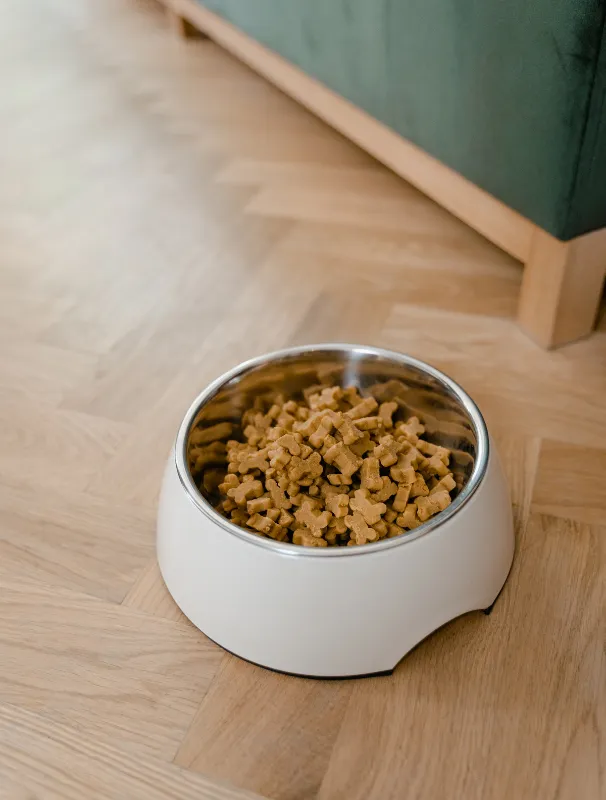
Meal Timing Matters
Many Maltese owners prefer feeding smaller meals consistently throughout the day rather than one large portion. Predictable feeding schedules often help support healthier digestion and more stable energy levels.
Consistency Helps Sensitive Digestion
Sudden food changes or excessive treats can sometimes upset a Maltese dog’s stomach more quickly than owners expect. Introducing new foods gradually often helps reduce digestive discomfort and unnecessary stress.
Hydration Supports Overall Wellbeing
Fresh water should always remain easily accessible throughout the day, especially after walks, playtime, or warmer weather. Proper hydration helps support digestion, coat condition, and overall health.
Meal Timing Matters
Some Maltese dogs may react poorly to lower-quality ingredients, artificial additives, or heavily processed foods. Monitoring coat condition, digestion, tear staining, and energy levels over time can help owners better understand which foods work best.
👉 Learn more about our tear stain care routine for Maltese dogs and how nutrition may support overall wellbeing.
Essential Nutrition & Feeding Topics for Maltese Dogs
These key areas form the foundation of responsible feeding for Maltese dogs. Each topic focuses on preventing common issues such as digestive upset, weight gain, skin sensitivity, and nutritional imbalance.

Diet Quality & Ingredients
A Maltese diet should focus on high-quality ingredients that support digestion, skin health, and overall vitality without unnecessary fillers.

Portion Sizes & Meal Frequency
Because Maltese dogs are small, overfeeding can quickly lead to weight issues. Consistent portion control and meal timing help maintain healthy weight and stable energy levels.

Supplements for Maltese Dogs
Some Maltese dogs may benefit from supplements that support joints, digestion, skin, or coat health. Supplements should always be chosen carefully and used responsibly.

Preventative Health & Feeding Routine
A consistent feeding routine supports digestion, reduces stress, and plays a role in long-term health prevention for Maltese dogs.
How Nutrition Affects Coat Health, Digestion, and Energy Levels
Maltese dogs are known for their soft white coats, sensitive digestion, and relatively low body weight, which means nutrition often affects them more noticeably than many larger breeds. Feeding routines, ingredient quality, hydration, and portion control can all influence coat condition, digestion, energy levels, and overall wellbeing over time.
Some Maltese owners notice that lower-quality ingredients or inconsistent feeding habits may contribute to issues such as digestive upset, excessive tearing, low energy, or coat dryness. Because Maltese dogs can be more sensitive to dietary changes, many owners prefer simpler feeding routines with gentle ingredients and consistent meal schedules.
Coat health is another area closely connected to nutrition. A balanced diet and proper hydration often help support healthier skin and a softer, cleaner-looking coat while also supporting overall comfort and daily wellbeing.
Many owners also combine proper nutrition with a consistent daily grooming routine for a Maltese dog to help maintain healthier coat condition and hygiene long term.

Supporting Your Maltese’s Health Starts With Knowledge
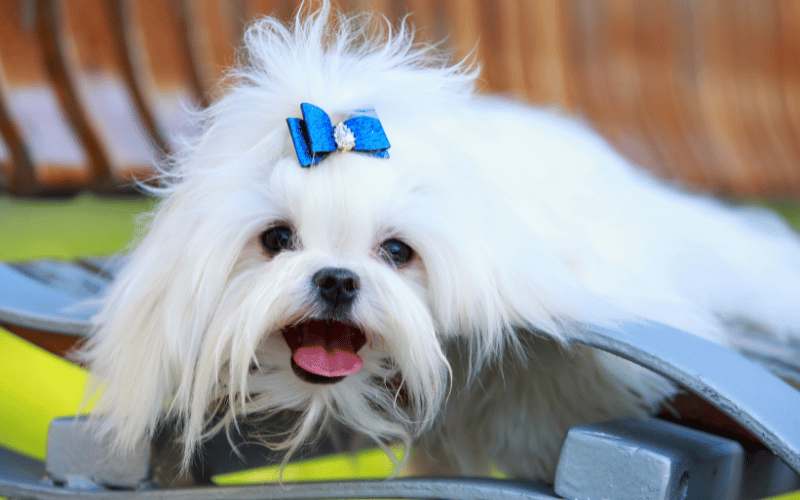
How Nutrition, Grooming, and Tear Stain Care Work Together
Nutrition, grooming, and tear stain care are closely connected for Maltese dogs, especially because this breed is known for sensitive digestion, delicate coats, and facial staining. Consistent feeding habits, gentle grooming routines, proper hydration, and daily hygiene all work together to support healthier coat condition, cleaner facial areas, and long-term comfort.
Many owners find that combining a balanced diet with a consistent daily grooming routine for a Maltese dog and gentle tear stain care for Maltese dogs helps create healthier long-term routines that are easier to maintain over time.
Nutrition & Feeding for Maltese Dogs – FAQs
These are common experiences shared by Maltese owners when learning proper grooming routines, switching to gentler products, and following breed-specific care advice.
Is this information suitable for first-time Maltese owners?
Yes. This page is designed to give both new and experienced owners a clear overview of the most important health considerations for Maltese dogs.
Does this page replace veterinary advice?
No. The information provided is educational and intended to support responsible care alongside professional veterinary guidance.
Will more health topics be added?
Yes. This hub page will continue to expand as additional Maltese health and wellbeing pages are published.
Disclosure
These are common experiences shared by Maltese owners when learning proper grooming routines, switching to gentler products, and following breed-specific care advice.
Dedicated to helping Maltese owners raise happy, healthy companions.
FOLLOW US


Confident Product Choices for Your Maltese
Explore carefully selected essentials designed for comfort, safety, and everyday use.
Disclosure: This website contains affiliate links. As an Amazon Associate, we earn from qualifying purchases. This comes at no extra cost to you.
Copyright 2026. Maltese Dog Care. All Rights Reserved.