
We make your pets happy
Indoor Living with a Maltese
Indoor living plays a major role in the comfort, behaviour, and emotional wellbeing of Maltese dogs. Because they spend most of their time indoors, their environment directly influences their sense of security, stimulation levels, and daily routines. This page explains how to create a stable, supportive indoor environment that promotes calm behaviour, consistent routines, and long-term wellbeing.
Maltese dogs are highly sensitive to their surroundings and often respond strongly to changes in routine, noise levels, and environmental structure. A well-managed indoor environment helps reduce stress, supports balanced behaviour, and creates a sense of predictability that is essential for their emotional comfort.
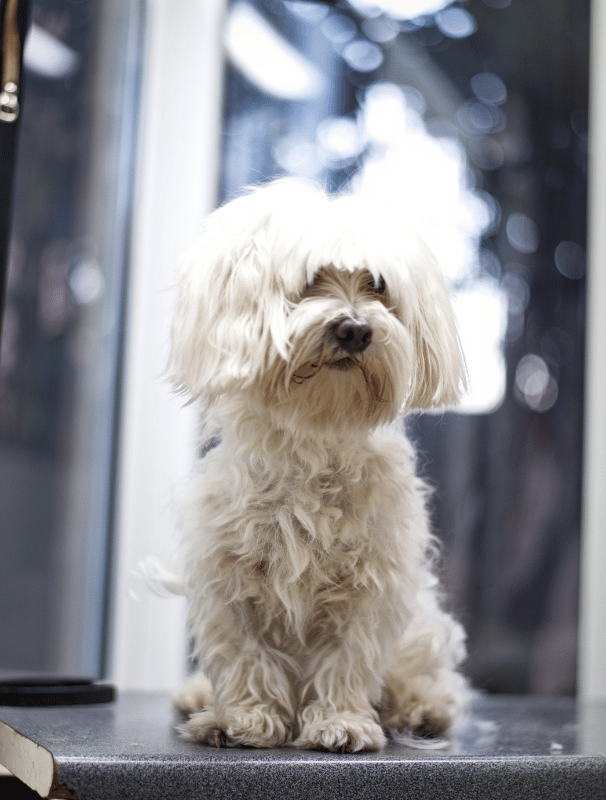
HOW INDOOR ENVIRONMENTS AFFECT MALTESE BEHAVIOUR
The indoor environment has a direct impact on Maltese behaviour and emotional wellbeing. Because they are small companion dogs, they rely heavily on familiarity and routine. Changes in household activity, noise, or structure can influence stress levels, sleep quality, and overall behaviour. Over time, a stable environment helps support calmness, confidence, and balanced daily routines.
Indoor Living Essentials for Maltese Dogs
A well-prepared indoor environment helps Maltese dogs feel secure, relaxed, and confident. These areas focus on safety, comfort, and routine within the home.

Safe Indoor Spaces For Maltese Dog
Creating a secure indoor space helps Maltese dogs feel protected and reduces anxiety caused by overstimulation or unpredictable environments.

Designated Rest & Routine Areas
Consistent resting areas and predictable routines help regulate behaviour and support emotional stability throughout the day.

Noise, Stimulation & Calm
Managing noise levels and environmental stimulation is important for reducing stress and supporting a balanced indoor experience.

Indoor Routines & Daily Care
Structured routines help Maltese dogs feel secure, improve behaviour consistency, and reduce uncertainty in daily life.

WHY INDOOR ENVIRONMENT MATTERS LONG-TERM
Over time, a Maltese dog’s indoor environment directly influences their emotional stability and behaviour patterns. A lack of structure or overstimulation can contribute to anxiety, restlessness, or dependence behaviours. In contrast, a calm and predictable environment supports long-term behavioural balance and improves overall wellbeing.
EARLY SIGNS OF ENVIRONMENTAL STRESS
Signs that a Maltese dog may be affected by their indoor environment can include restlessness, clinginess, changes in sleep patterns, or increased sensitivity to noise. These behaviours often develop gradually and can indicate that environmental adjustments may be needed.
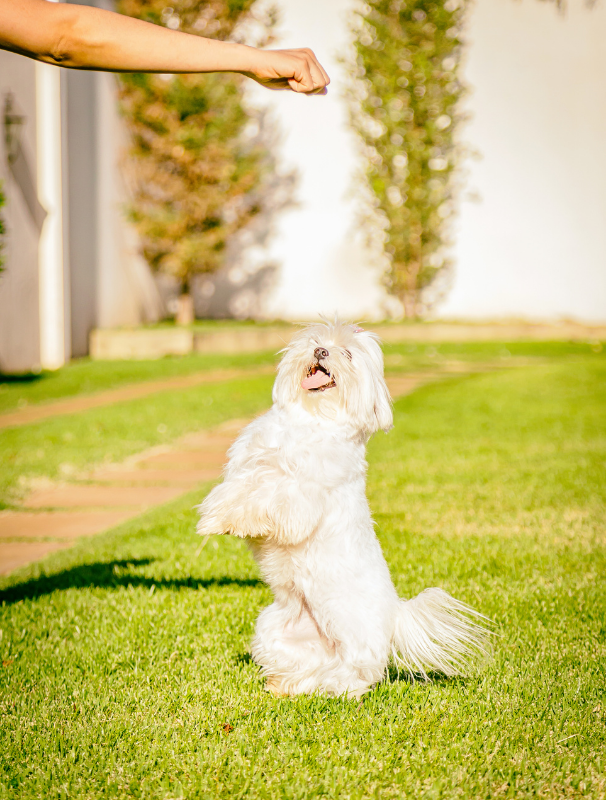
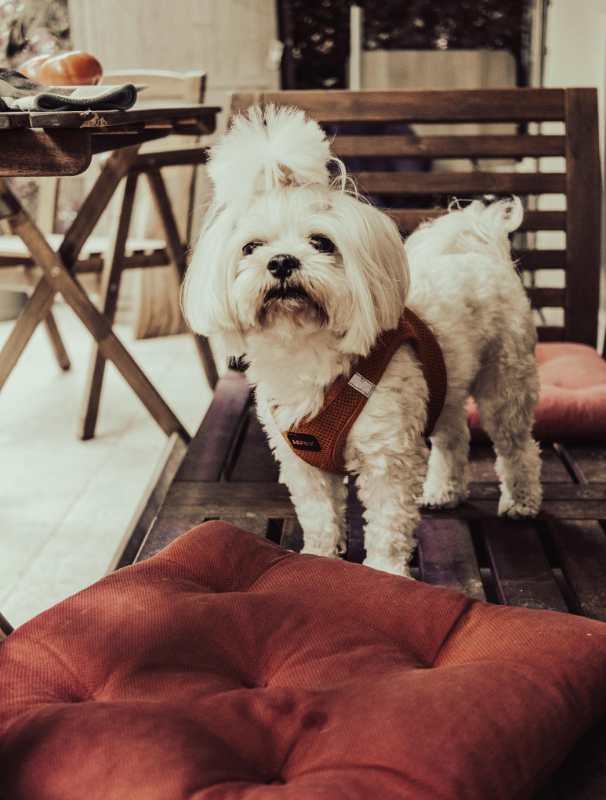
PREVENTATIVE ENVIRONMENTAL CARE
A well-structured indoor environment is a form of preventative care for Maltese dogs. By reducing stress triggers and creating consistent routines, owners can prevent behavioural issues before they develop and support long-term emotional stability.
A Calm Home Supports a Happier Maltese
Explore Other Topics
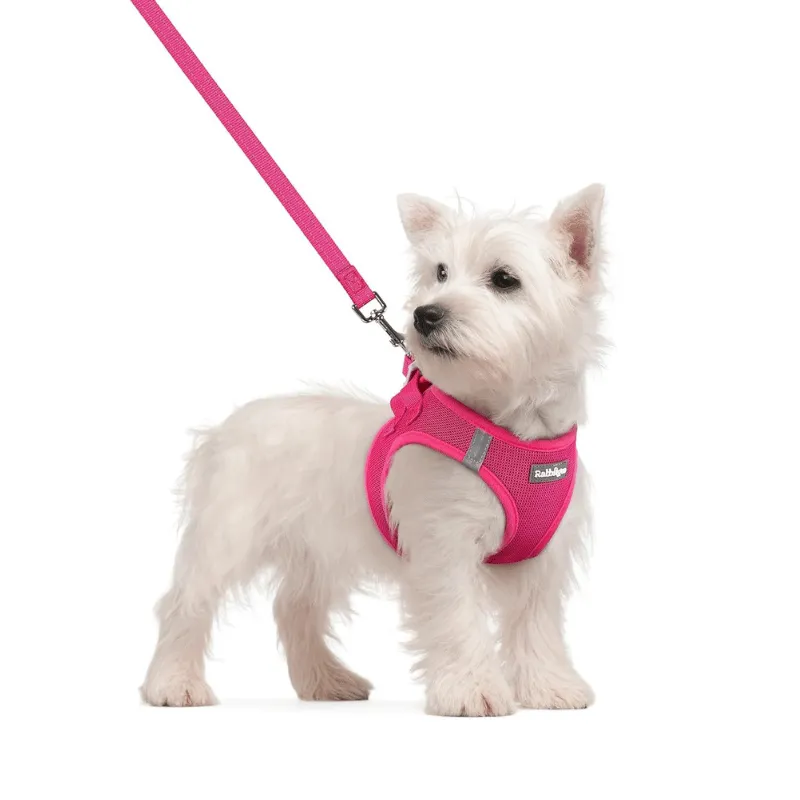
Harnesses for Maltese Dogs
Comfortable, lightweight harnesses designed for safer walks, better control, and everyday adventures.
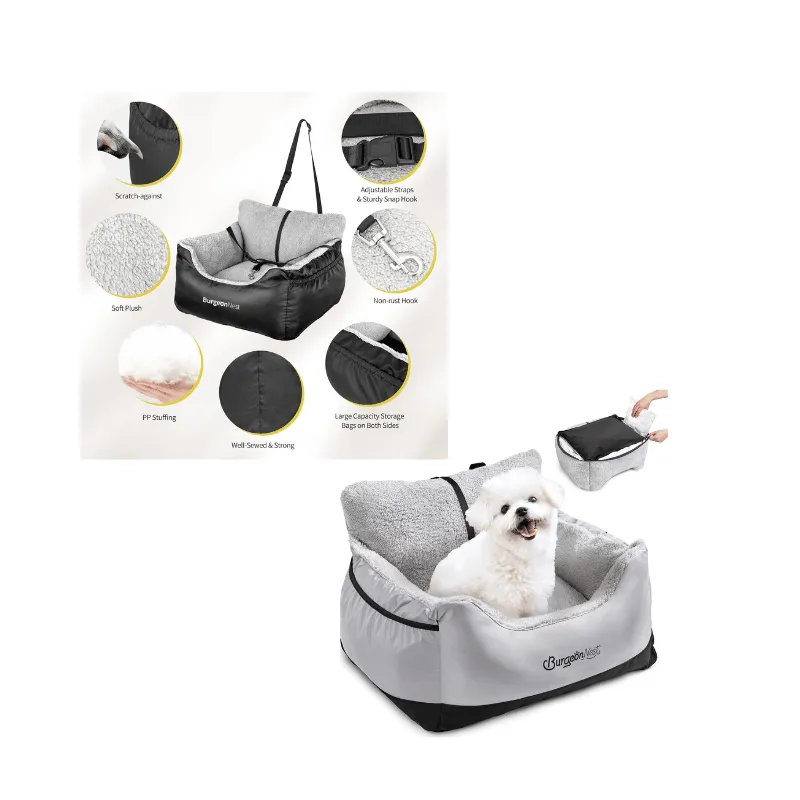
Maltese Travel Essentials
Travel-friendly products that help keep your Maltese safe, calm, comfortable, and organised on the go.
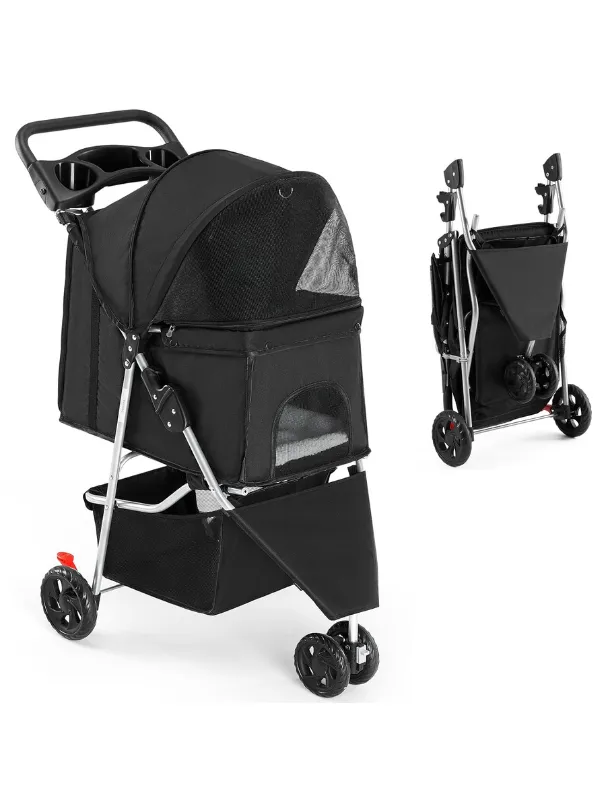
Best Small Dog Strollers for Maltese Dogs
Practical strollers designed for older Maltese dogs, puppies, recovery support, and comfortable outdoor trips.
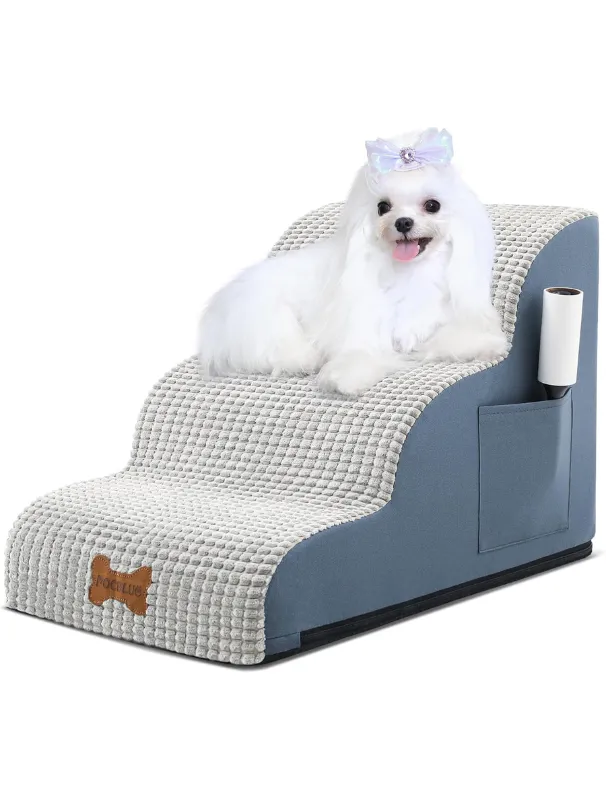
Dog Stairs for Maltese Dogs
Support your Maltese’s joints and mobility with safe stairs designed for beds, sofas, and small spaces.
HOW ROUTINE SUPPORTS BEHAVIOUR
Consistent daily routines are one of the most effective ways to support balanced behaviour in Maltese dogs. Predictable feeding times, rest periods, and calm interaction patterns help reduce uncertainty and create a structured environment that supports emotional wellbeing.
Over time, a Maltese dog’s indoor environment becomes a key factor in shaping behaviour patterns, emotional stability, and daily comfort. Consistent routines, controlled stimulation, and predictable surroundings help reinforce calm behaviour and reduce long-term stress responses. When these elements are not structured, dogs may develop behavioural sensitivity or increased reliance on their owner for reassurance.
Indoor Living with a Maltese – FAQs
These are common experiences shared by Maltese owners when learning proper grooming routines, switching to gentler products, and following breed-specific care advice.
Do Maltese dogs prefer indoor living?
Many Maltese dogs adapt well to indoor living, especially when their environment is calm and routines are consistent.
How much indoor space does a Maltese need?
Maltese dogs do not require large spaces, but they benefit from clear, comfortable areas designed around their routines.
Can indoor environments affect behaviour?
Yes. Calm, predictable indoor spaces help reduce anxiety and support positive behaviour.
Disclosure
These are common experiences shared by Maltese owners when learning proper grooming routines, switching to gentler products, and following breed-specific care advice.
Dedicated to helping Maltese owners raise happy, healthy companions.
FOLLOW US


Confident Product Choices for Your Maltese
Explore carefully selected essentials designed for comfort, safety, and everyday use.
Disclosure: This website contains affiliate links. As an Amazon Associate, we earn from qualifying purchases. This comes at no extra cost to you.
Copyright 2026. Maltese Dog Care. All Rights Reserved.