
We make your pets happy
Joint & Mobility Health for Maltese Dogs
Joint and mobility health are essential for Maltese dogs, especially as they age. Due to their small size and delicate structure, even mild joint strain can affect comfort, movement, and daily activity. This page explains common mobility concerns and how to support healthy movement through everyday care and lifestyle choices.
Joint and mobility issues in Maltese dogs often develop gradually rather than suddenly. Because early signs can be subtle, owners may not notice changes until stiffness or reduced movement becomes more consistent. Understanding how mobility naturally changes over time helps owners provide better support before discomfort begins to affect daily activity.
Health & Mobility Topics Relevant to Maltese Dogs
These topics highlight common mobility-related considerations for Maltese dogs and explain how owners can support joint health through awareness, routine care, and appropriate lifestyle choices.

Early Signs of Joint Discomfort
Recognising early changes is important because mobility naturally evolves as Maltese dogs age.

Mobility Changes With Age
These changes are often gradual and can be managed more effectively when understood early.

Joint Support Through Nutrition
Diet and weight management play a key role in reducing long-term joint strain.

When Supplements May Help
Supplements should always be considered as part of a wider approach to mobility care.
Why Joint Awareness Matters for Maltese Dogs
Because Maltese dogs are lightweight and active, joint strain can sometimes go unnoticed until discomfort becomes more obvious. Proactive joint awareness helps owners maintain gentle activity levels, prevent overexertion, and support movement through appropriate care routines and environmental choices.
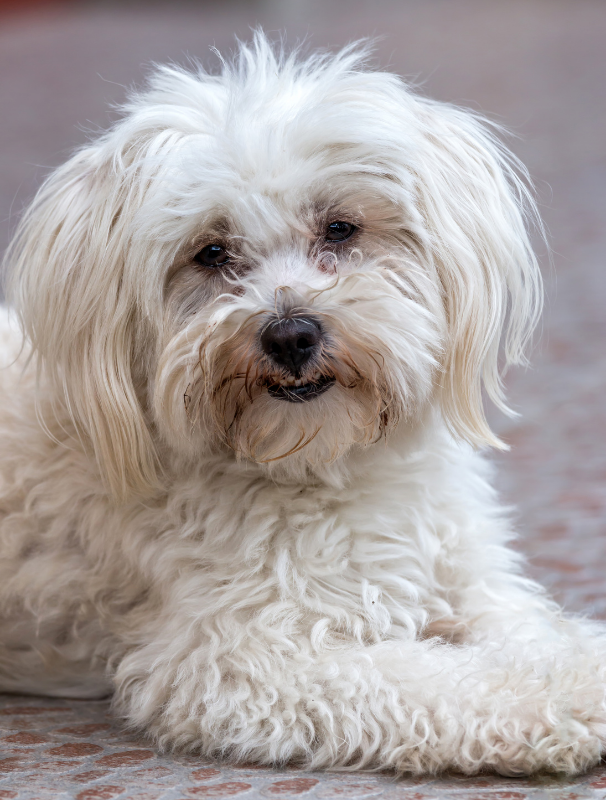
Early Signs of Joint Discomfort
Early signs of joint discomfort in Maltese dogs are often subtle and may be mistaken for normal behaviour. Owners may notice reduced enthusiasm for walking, hesitation before jumping, slower movement after rest, or a slight change in posture. These small behavioural shifts are often the first indication that joints may be experiencing strain.
Recognising these early signs is important because intervention at this stage can help slow progression and improve long-term comfort. Small adjustments in daily activity, rest patterns, and support routines can make a meaningful difference in preventing further discomfort.
Recognising early changes is important because mobility naturally evolves as Maltese dogs age.

Mobility Changes With Age
As Maltese dogs grow older, gradual changes in mobility are a natural part of ageing. Joint flexibility may decrease, movement may become slower, and activities such as stairs or jumping onto furniture may require more effort than before. These changes do not always indicate disease, but they do signal a need for adjusted care.
Supporting an ageing Maltese involves adapting their environment and daily routine to reduce strain. Gentle exercise, supportive rest areas, and avoiding unnecessary jumping can help maintain independence and comfort over time.
These changes are often gradual and can be managed more effectively when understood early.

Joint Support Through Nutrition
Nutrition plays a foundational role in maintaining joint health and overall mobility in Maltese dogs. A balanced diet supports muscle strength, joint structure, and long-term movement comfort. Maintaining a healthy weight is especially important, as even small amounts of excess weight can increase pressure on delicate joints.
Consistent, appropriate nutrition helps reduce long-term strain and supports steady, comfortable movement throughout all stages of life.
Diet and weight management play a key role in reducing long-term joint strain.
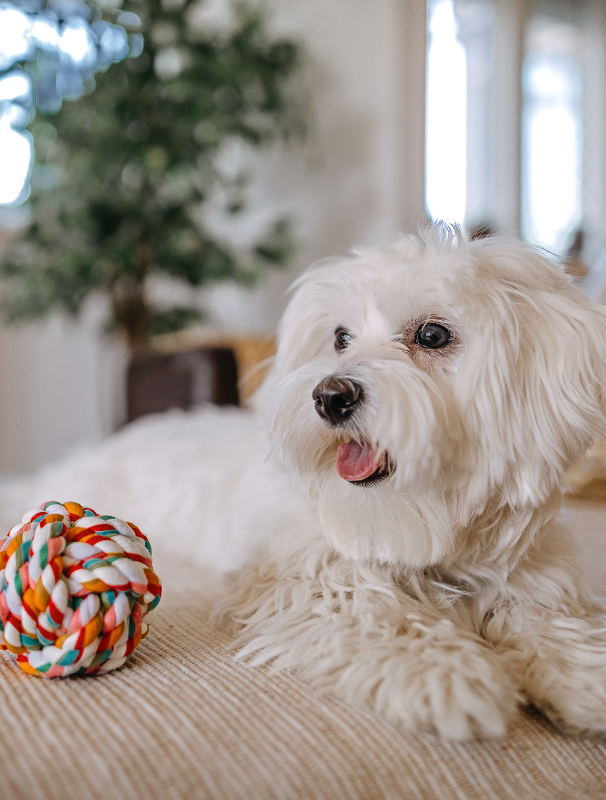
When Supplements May Help
In some cases, supplements may be introduced as part of a broader approach to joint care. They are typically considered when additional support is needed alongside a balanced diet and appropriate lifestyle adjustments. However, they should always be selected carefully based on individual needs.
Supplements are not a replacement for proper care, but they may help support mobility comfort in older dogs or those showing early signs of stiffness when used appropriately.
Supplements should always be considered as part of a wider approach to mobility care.
Supporting Your Maltese’s Health Starts With Knowledge
ILong-term joint health is best supported through consistent daily care, early awareness of changes, and a balanced approach to movement, nutrition, and rest.

How Daily Care Supports Long-Term Mobility
Daily routines play a major role in maintaining long-term mobility in Maltese dogs. Consistent, low-impact movement helps maintain joint flexibility, while avoiding sudden strain or excessive jumping reduces unnecessary pressure on delicate joints. Balanced activity throughout the day is often more beneficial than occasional high levels of exercise.
Joint & Mobility Health for Maltese Dogs — FAQs
These are common experiences shared by Maltese owners when learning proper grooming routines, switching to gentler products, and following breed-specific care advice.
Are Maltese dogs prone to joint problems?
Small breed dogs can experience joint and mobility issues over time. Awareness and proactive care help reduce risks.
Should I limit exercise if my Maltese has stiffness?
Exercise should be adjusted rather than eliminated. Gentle, consistent movement often supports joint comfort.
Do joint issues always require veterinary treatment?
Not always, but professional advice should be sought if discomfort persists or worsens.
Disclosure
These are common experiences shared by Maltese owners when learning proper grooming routines, switching to gentler products, and following breed-specific care advice.
Dedicated to helping Maltese owners raise happy, healthy companions.
FOLLOW US


Confident Product Choices for Your Maltese
Explore carefully selected essentials designed for comfort, safety, and everyday use.
Disclosure: This website contains affiliate links. As an Amazon Associate, we earn from qualifying purchases. This comes at no extra cost to you.
Copyright 2026. Maltese Dog Care. All Rights Reserved.