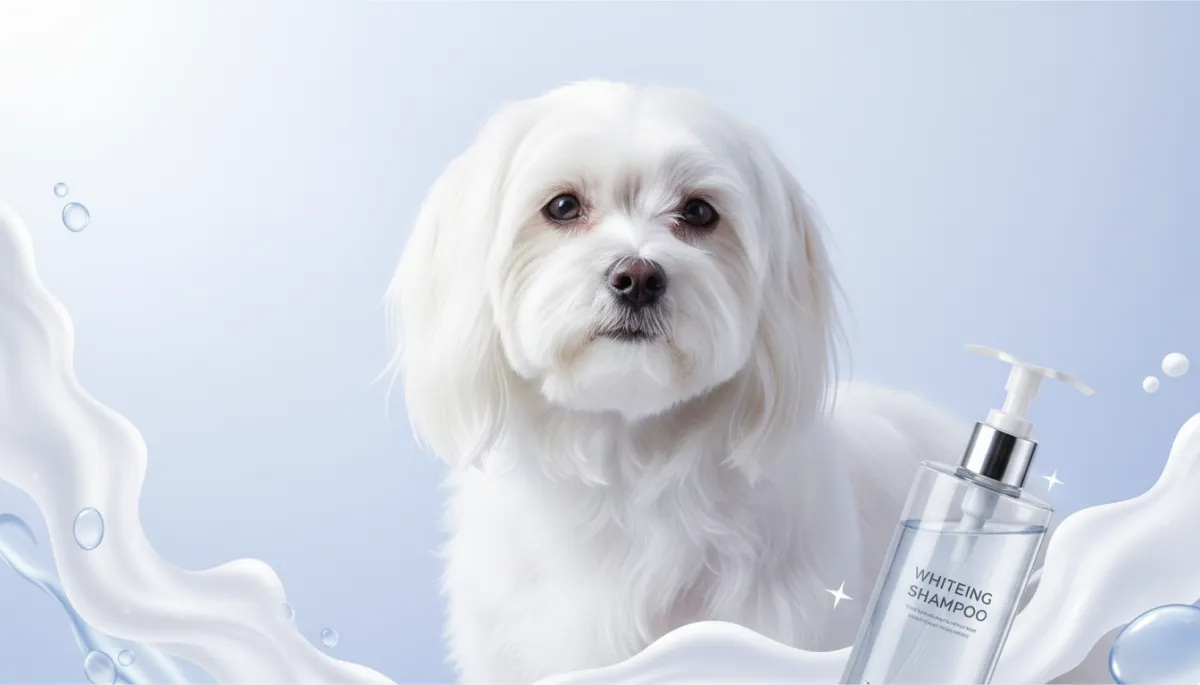
Whitening Shampoo for Maltese Dogs: A Complete Guide | Maltese Dog Care
Pets, Maltese Dogs, Whitening Shampoo
Why Whitening Shampoo Is Essential for Maltese Dogs
The Maltese is famous for its flowing, snow‑white coat—but keeping that coat bright, clean, and healthy is harder than it looks. Whitening shampoo for dogs is not just a cosmetic extra; for Maltese owners, it is an essential grooming tool that protects the coat, supports skin health, and keeps your dog looking and feeling their best.
The Unique Coat of a Maltese: Beautiful but Demanding
Maltese dogs do not have a typical double coat. Instead, they have a single layer of long, silky hair that behaves more like human hair than fur. This stunning texture is part of their charm, but it also makes them especially prone to staining, dullness, and buildup. Dirt, environmental pollutants, food, and even their own tears and saliva can quickly turn that pristine white into a patchy cream or yellow.
Because the hair is fine and often kept long, it tends to drag on the ground, absorb moisture, and collect debris. Areas around the eyes, mouth, paws, and underbelly are especially vulnerable. Standard dog shampoos may clean the coat, but they are not designed to tackle the specific discoloration issues that white‑coated breeds like the Maltese face every day. This is where a dedicated whitening shampoo becomes truly essential.
What Whitening Shampoo Actually Does (Beyond Just “Making It Whiter”)
Many owners assume whitening shampoo is just a stronger version of regular shampoo, but quality formulas are carefully crafted for white coats and sensitive skin. Rather than bleaching the hair, they typically use three main approaches:
Optical brighteners: These ingredients reflect light to make the coat appear brighter and more luminous without changing the actual hair color.
Gentle stain-lifting agents: Formulated to break down and loosen discoloration from tears, saliva, grass, and pollutants so it can be rinsed away more effectively.
Tone-correcting pigments: Some shampoos use subtle violet or blue tones to neutralize yellowing, similar to “silver” shampoos used for blonde or gray human hair.
When used correctly, whitening shampoo brightens the coat, restores its natural shine, and helps prevent long‑term staining. For a Maltese, whose appearance is defined by that pure white color, this kind of targeted care is far more than a vanity choice—it is part of responsible grooming.
Tackling the Biggest Maltese Problem: Tear Stains and Facial Discoloration
Tear stains are almost synonymous with small white breeds, and the Maltese is one of the most affected. The reddish‑brown streaks under the eyes are caused by a combination of natural pigments in the tears, moisture, and yeast or bacterial buildup on the fur. While diet, eye health, and tear duct issues all play a role, grooming is a crucial part of managing the problem.
Whitening shampoo formulated for the face can gently lift surface staining and reduce the intensity of discoloration over time. It will not cure the underlying cause of tear staining, but it does help keep the fur around the eyes looking cleaner, brighter, and less patchy. When combined with daily wiping of the eye area and good veterinary care, whitening shampoo becomes a key part of a long‑term tear stain management routine for Maltese owners.
💡 Pro Tip: Always choose a whitening shampoo that is clearly labeled as safe for use near the face and eyes, and avoid getting any product directly in your Maltese’s eyes.
Preventing Yellowing and Everyday Stains on a White Coat
Even if your Maltese does not struggle with heavy tear staining, everyday life can quickly dull a white coat. Urine, saliva from chewing toys, licking paws, rolling on grass, and even lying on certain fabrics can leave a yellow or gray tinge. Once these stains set in, they are much harder to remove, and repeated trimming is not always desirable if you are keeping a longer show‑style coat.
Regular use of a whitening shampoo helps in two important ways:
It removes fresh stains before they become deeply embedded in the hair shaft.
It maintains an overall bright tone, so mild discoloration is less noticeable and easier to manage between baths.
Think of whitening shampoo as preventative care for your dog’s coat. By staying ahead of stains, you avoid the frustration of trying to reverse months of buildup and can keep your Maltese looking freshly groomed for longer periods.

Consistent whitening baths prevent deep stains and keep a Maltese coat naturally radiant.
Supporting Skin Health on a Sensitive Breed
Maltese dogs are known for having relatively sensitive skin. Harsh detergents, strong fragrances, or heavily bleaching products can easily cause dryness, itchiness, or irritation. One of the biggest advantages of a well‑formulated whitening shampoo is that it is designed to brighten the coat without stripping the skin’s natural oils or causing discomfort, when used as directed.
Many whitening shampoos for white breeds include soothing ingredients such as aloe vera, oatmeal, chamomile, or coconut‑derived cleansers. These help maintain the skin’s moisture barrier while still lifting dirt and discoloration from the coat. For a Maltese, whose long hair can trap moisture against the skin and create the perfect environment for irritation or hot spots, a gentle but effective shampoo is a must‑have grooming essential.
📌 Key Takeaway: A good whitening shampoo should brighten the coat and leave the skin calm, soft, and comfortable, not tight or flaky.
Coat Texture, Detangling, and Overall Grooming Ease
Brightness is only part of the story. A Maltese coat is naturally silky and prone to tangles, especially when kept long. Matting along the ears, legs, and underbelly can be painful for your dog and time‑consuming to remove. High‑quality whitening shampoos often include conditioning agents that help smooth the hair shaft, reduce static, and make brushing easier after the bath.
By keeping the coat soft and manageable, whitening shampoo does more than enhance appearance—it also supports your daily grooming routine. A coat that tangles less is less likely to break, thin out, or develop painful mats that may need to be shaved out. Over time, this means a fuller, more luxurious coat that better showcases that iconic Maltese look.
Confidence and Comfort: Why Appearance Matters for Your Maltese
While your Maltese may not care about show‑ring standards, they do benefit from regular, thoughtful grooming. A clean, bright, and well‑maintained coat reduces the risk of skin infections, prevents painful mats, and keeps your dog more comfortable in everyday life. At the same time, many owners choose the Maltese breed specifically for its elegant, white appearance. Whitening shampoo helps you honor that characteristic in a healthy, safe way.
There is also a practical side: a Maltese with a dingy or stained coat can appear older, less healthy, or poorly cared for, even if you are doing your best. By using whitening shampoo as part of a consistent grooming routine, you present your dog—and your care for them—in the best possible light, whether you are visiting the vet, meeting other pet parents, or simply enjoying time together at home.
How Often Should You Use Whitening Shampoo on a Maltese?
Frequency depends on your dog’s lifestyle, coat length, and individual sensitivity, but many Maltese owners find that a whitening shampoo every two to four weeks works well. Dogs that spend more time outdoors, have heavier tear staining, or are kept in a full show coat may benefit from slightly more frequent use, while companion dogs with shorter trims might need it less often.
Always follow the instructions on the product label, and watch how your dog’s skin and coat respond. If you notice dryness or irritation, discuss it with your groomer or veterinarian; you may need to alternate whitening shampoo with a mild, moisturizing formula or adjust how long you leave the product on before rinsing. When used thoughtfully, whitening shampoo can be a safe, regular part of your Maltese’s grooming schedule.
Choosing the Right Whitening Shampoo for Your Maltese
Not all whitening shampoos are created equal. When selecting one for your Maltese, look for formulas that clearly state they are:
Safe for white and light coats, with no harsh bleaches or peroxide.
pH-balanced for dogs, to protect their naturally more delicate skin barrier.
Free from unnecessary dyes and heavy fragrances, which can trigger irritation in sensitive breeds.
Enriched with conditioning or soothing ingredients, such as aloe, oatmeal, or natural oils.
When in doubt, ask your professional groomer or veterinarian for product recommendations tailored to your dog’s specific coat condition and skin needs. A little guidance up front can save you from trial‑and‑error with products that are too harsh or simply ineffective for a Maltese coat.
Final Thoughts: Why Whitening Shampoo Belongs in Every Maltese Grooming Kit
For Maltese owners, whitening shampoo is not an optional “beauty extra”—it is a practical, essential part of caring for a white, silky, and stain‑prone coat. The right formula helps you:
Keep your dog’s coat bright, clean, and photo‑ready between grooming appointments.
Manage tear stains and everyday discoloration more effectively.
Protect sensitive skin while still lifting dirt, oils, and buildup from the coat.
Reduce tangles and matting, making daily brushing more comfortable for your Maltese and easier for you.
When you commit to a regular grooming routine that includes a Maltese‑friendly whitening shampoo, you are doing more than preserving a beautiful white coat—you are actively supporting your dog’s comfort, skin health, and overall well‑being. In other words, that bright, glowing coat is not just a sign of good looks; it is a clear reflection of good care.
